Plastic recycling machines are specialized systems that sort, reduce, wash, dry, melt, filter, and pelletize waste plastics. The main categories include shredders, granulators, washing lines, dryers, extruders, pelletizers, sorting equipment, and auxiliary systems. The correct configuration depends on polymer type, contamination, throughput, and the required output form.
In this guide, I explain Plastic Recycling Machine Types and Their Applications from a practical equipment-selection perspective. I cover how each machine functions, which materials it suits, how complete recycling lines are arranged, and how buyers can estimate ownership costs before contacting a supplier such as Optima.
What Are the Different Types of Plastic Recycling Machines?
A plastic recycling line normally includes several machines rather than one universal unit. Each machine performs a defined task, and the correct sequence depends on whether the input is PET bottles, HDPE containers, PP scrap, plastic film, or clean factory waste.
| Machine type |
Main function |
Typical input |
Common output |
| Sorting machine |
Separates polymers, colors, metals, and foreign materials |
Mixed plastic waste |
Classified plastic stream |
| Plastic shredder machine |
Reduces bulky or difficult waste into coarse pieces |
Containers, pipes, lumps, film bales |
Shredded plastic |
| Plastic granulator machine |
Cuts plastic into smaller, more uniform flakes |
Rigid plastic, injection scrap, pre-shredded material |
Granulated flakes |
| Washing line |
Removes soil, labels, food residue, and other contamination |
Post-consumer plastics |
Washed plastic flakes |
| Dryer or dewatering unit |
Removes surface water after washing |
Wet flakes or film |
Drier plastic feedstock |
| Extruder |
Melts, mixes, and filters plastic |
Clean or washed flakes |
Filtered molten plastic |
| Pelletizing machine |
Cuts filtered melt into pellets |
Extruder output |
Recycled pellets |
| Compactor or agglomerator |
Densifies lightweight film and soft plastics |
Film, bags, fibers |
Densified feedstock |
I treat the shredder and granulator as size-reduction equipment, while washing, extrusion, and pelletizing determine the cleanliness and form of the final recycled material. A buyer should not select equipment by motor size alone because knife design, screen size, feed method, contamination, moisture, and polymer behavior also influence the line configuration.
How Do Plastic Recycling Machines Work?
The recycling process begins with inspection and sorting. Operators or automated systems remove metals, stones, incompatible polymers, and oversized objects before the material enters a shredder or granulator. This preparation reduces the risk of knife damage and prevents unsuitable materials from entering the extrusion stage.
After size reduction, the plastic may pass through washing, friction cleaning, hot washing, rinsing, and drying. The selected washing stages depend on contamination such as oil, adhesive labels, soil, food residue, or paper. Film often requires additional drying and densification because its low bulk density can make feeding inconsistent.
The prepared plastic then enters an extruder, where controlled heat and mechanical shear convert flakes into a molten stream. A screen changer or melt filtration unit removes remaining solids before the material reaches a pelletizer. The finished product may be sold as flakes for direct use or as pellets for injection molding, extrusion, compound production, or other downstream processes.
Step 1: Identify the Plastic Feedstock and Waste Condition
I begin equipment selection by defining the polymer and the physical condition of the waste. PET bottles, HDPE containers, PP injection scrap, multilayer film, agricultural film, and engineering-plastic parts do not require identical equipment. The material specification should include polymer type, approximate contamination, moisture, bulk density, shape, and whether the waste is post-consumer or post-industrial.
Clean post-industrial scrap may only need a granulator and a material-handling system. By contrast, post-consumer bottles usually require sorting, label removal, crushing, washing, dewatering, drying, and sometimes pelletizing. Mixed or contaminated film may require a shredder, wet or dry cleaning system, thermal drying, compaction, extrusion, filtration, and pelletizing.
Plastic Shredder Machine Applications
A plastic shredder machine is used when the feedstock is bulky, tangled, thick, or difficult to cut in a conventional granulator. Common examples include large containers, plastic drums, pipes, purgings, agricultural film bales, and compressed production waste.
Single-shaft shredders often use a hydraulic pusher to move material toward a rotor and fixed knives. Double-shaft shredders use two counter-rotating shafts and are commonly considered for bulky material where tearing and coarse size reduction are more important than uniform flake size. The shredder usually prepares material for a secondary granulator or washing line rather than producing the final pellet directly.
Plastic Granulator Machine Applications
A plastic granulator machine cuts plastic against a fixed knife and a rotating knife assembly. A screen controls the approximate flake size, making the machine suitable for clean injection-molding scrap, sprues, runners, bottles, rigid packaging, and pre-shredded plastic.
Granulators are generally selected when the buyer needs more uniform flakes for washing, conveying, blending, or extrusion. The screen opening, knife geometry, rotor design, feed opening, and material moisture should match the input. A granulator is not a substitute for a shredder when the feed contains oversized lumps, long film, or dense objects that could bridge the feed throat.
Step 2: Match Equipment With the Material and Target Output
The target output determines how much processing the line needs. If the buyer sells clean flakes, the line may end after granulation, washing, and drying. If the buyer needs pellets for manufacturing, the system normally continues through extrusion, melt filtration, and pelletizing.
The distinction between flakes and pellets is important. Flakes can be suitable for some fiber, sheet, or internal reprocessing applications when the material is clean and consistent. Pellets provide a more standardized feed form for many injection molding and extrusion operations, but they add energy consumption, filtration requirements, maintenance points, and thermal exposure.
| Input material |
Typical contamination |
Recommended configuration |
Target output |
| PET bottles |
Labels, caps, dirt, moisture |
Sorting, granulation, washing, friction cleaning, drying |
PET flakes or pellets |
| HDPE containers |
Labels, residue, dirt |
Sorting, shredding or granulation, washing, drying, extrusion |
HDPE flakes or pellets |
| PP rigid scrap |
Usually low in post-industrial waste |
Granulator, metal separation, optional extrusion |
Clean flakes or PP pellets |
| Plastic film |
Soil, moisture, labels, low bulk density |
Shredder, washing, dewatering, thermal drying, compaction, extrusion |
Film pellets |
| Post-industrial purgings |
Large, dense, and irregular pieces |
Shredder, granulator, optional extrusion |
Regrind or pellets |
| Mixed post-consumer plastic |
Multiple polymers and contamination |
Sorting, size reduction, washing, drying, separation, extrusion |
Classified flakes or lower-grade pellets |
Step 3: Configure the Complete Recycling Line
PET Bottle Recycling Equipment
A PET bottle line commonly starts with bale opening and sorting. The bottles are then granulated, separated from labels and caps, washed, rinsed, and dried. Depending on the final application, the PET flakes may be packed directly or transferred to an extrusion and pelletizing system.
A typical process diagram is:
Bale opener → sorting conveyor → metal separator → granulator → label and cap separation → washing → friction cleaning → rinsing → dewatering → drying → flake storage → optional extruder and pelletizer
PET applications include recycled fiber, strapping, sheet, and other products subject to the buyer’s material specifications. Food-contact applications require additional controls, approved processing conditions, contaminant management, and regulatory review; a standard flake or pellet line should not automatically be described as food-contact capable.
HDPE and Rigid Plastic Recycling
HDPE containers, crates, drums, and rigid packaging usually require sorting by polymer and color before size reduction. A shredder may be used for large containers, while a granulator is commonly used for smaller or already-cut material. Washing is selected according to residue, labels, soil, and moisture levels.
A representative HDPE line is:
Sorting → shredder or granulator → magnetic separation → friction washing → rinsing → dewatering → hot-air drying → storage or extrusion → pelletizing
Recycled HDPE pellets can be used in products such as non-food containers, pallets, pipes, bins, and molded components when the output meets the buyer’s required specifications. Color mixing, polymer contamination, odor, and moisture should be checked before the line is specified.
Plastic Film Recycling Equipment
Plastic film creates different feeding and drying challenges because it is lightweight, flexible, and prone to wrapping around rotating parts. A film recycling system may include a coarse shredder, wet granulator, washing tank, friction washer, centrifugal dewatering unit, thermal dryer, compactor, extruder, and pelletizer.
The process can be represented as:
Film bale opening → pre-shredding → wet granulation → washing → friction cleaning → dewatering → thermal drying → compaction → extrusion → filtration → pelletizing
Agricultural film and post-consumer film often require more cleaning than clean packaging film. The buyer should assess soil content, moisture, printed areas, adhesive contamination, and the proportion of incompatible polymers before deciding whether a basic washing line is sufficient.
Post-Industrial Scrap
Post-industrial scrap is often the simplest material category because it can be generated from a known polymer and controlled production process. Sprues, runners, rejected parts, sheet trim, and edge trim may be granulated close to the production machine and returned to the process after inspection.
However, a recycling granulator is not the same as an injection molding machine or a blown film machine. The granulator prepares regrind, while injection molding and blown film equipment converts polymer into finished parts or film. A complete factory may use all three equipment categories, but each has a different function, control system, and maintenance requirement.
Step 4: Evaluate Output Quality and Contamination Tolerance
I recommend defining the output specification before comparing suppliers. Important criteria include polymer purity, color separation, residual moisture, flake size, pellet shape, odor, ash or dirt content, filtration level, and the acceptable percentage of foreign polymer.
For industrial-grade applications, the buyer may accept a wider variation in color or melt behavior than a manufacturer producing visible packaging or precision components. Food-contact and other regulated applications require a separate compliance assessment, documented process controls, and suitable downstream validation.
A line designed for dirty post-consumer waste should not be judged by the same criteria as a line processing clean factory scrap. More washing and filtration can improve contaminant removal, but they also add water use, wastewater treatment, energy consumption, wear parts, and maintenance tasks. The correct system is the one that reaches the required output specification without unnecessary processing stages.
Step 5: Calculate Total Ownership Cost
The purchase price is only one part of plastic recycling machine cost. I calculate total ownership cost using the following categories: equipment purchase, freight, installation, electrical work, civil preparation, water systems, wastewater treatment, labor, electricity, heating, wear parts, knife sharpening, screen replacement, lubrication, maintenance, downtime, and product testing.
A practical calculation is:
Total ownership cost = capital cost + installation cost + utilities + labor + consumables + maintenance + wastewater treatment + downtime cost
Utilities may include electricity, process water, heating energy, compressed air, and cooling. Wear parts may include knives, screens, heating elements, filters, seals, bearings, and pelletizer components. I also ask suppliers to state which components are included, what commissioning support is available, and which maintenance tasks the operator must perform.
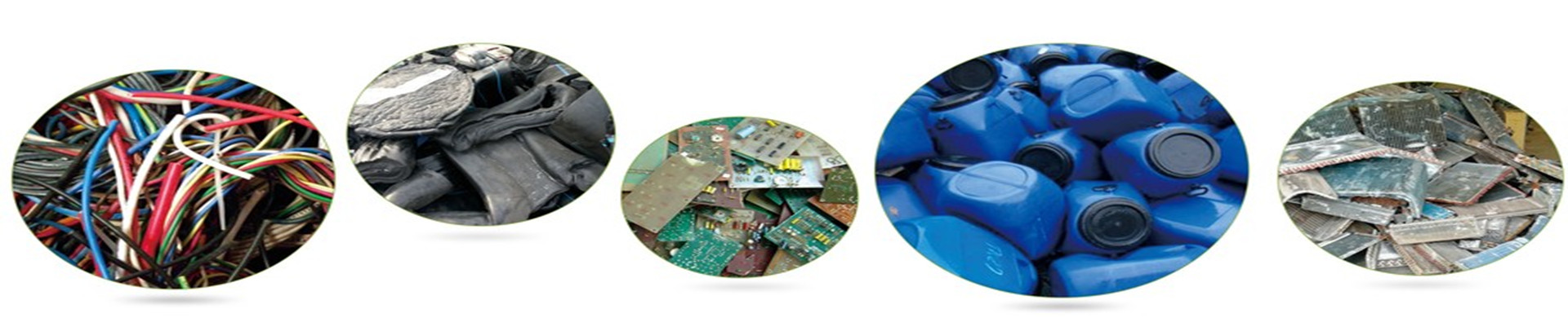
Optima presents itself as Changzhou Optima Technology Co., Ltd. and lists shredders, granulators, solid-waste systems, cable-recycling equipment, tire-recycling plants, and related auxiliary equipment among its product categories. When evaluating Optima or another supplier, I would request a material test, equipment layout, motor and heating specifications, spare-parts list, installation scope, and written output assumptions before comparing quotations.
Plastic Recycling Machine Versus a Shredder or Granulator
“Plastic recycling machine” is a broad term covering multiple machines and complete lines. A shredder performs coarse size reduction, while a granulator produces smaller and more uniform pieces through cutting and screening. Neither machine alone necessarily washes, dries, melts, filters, or pelletizes plastic.
A useful selection rule is simple: choose a shredder for bulky, tangled, thick, or irregular feedstock; choose a granulator for cleaner material that needs controlled flake size; add washing when contamination affects the target output; and add extrusion and pelletizing when the buyer needs a standardized recycled polymer feedstock.
Can One Machine Recycle All Types of Plastic?
No single machine can process every plastic type at the same output specification. PET bottles, HDPE containers, PP scrap, flexible film, PVC, multilayer packaging, and engineering plastics differ in melting behavior, density, contamination, feeding characteristics, and separation requirements.
Some machines can process more than one compatible polymer, but the line must still be configured around the material mix and output requirements. Changing polymer types may require cleaning, screen changes, temperature adjustments, knife changes, or separate sorting to prevent cross-contamination.
How to Choose a Plastic Recycling Machine
I use five questions to narrow the equipment configuration:
- What polymer is being processed? Confirm PET, HDPE, PP, LDPE, PVC, ABS, or a mixed stream.
- What is the waste condition? Record contamination, moisture, bale density, particle size, and foreign materials.
- What output is required? Decide between coarse shreds, controlled flakes, washed flakes, or pellets.
- What capacity is required? Define the required hourly feed rate, operating schedule, storage buffer, and expected downtime.
- What quality and compliance level applies? Separate industrial-grade requirements from food-contact or regulated applications.
I also compare the supplier’s testing method, included auxiliary equipment, utility requirements, maintenance access, spare-parts availability, and commissioning responsibilities. A quotation that excludes sorting, water treatment, drying, installation, or electrical integration may appear less expensive while transferring major costs to the buyer.
Final Conclusion
Plastic Recycling Machine Types and Their Applications are best understood as a connected process rather than a single equipment category. Shredders handle bulky waste, granulators create controlled flakes, washing systems remove contamination, dryers reduce moisture, extruders melt and filter the material, and pelletizers produce a standardized feedstock for downstream manufacturing.
To select the right plastic recycling machine, I would first identify the polymer, contamination level, material form, required capacity, and target output. I would then compare a supplier-neutral line configuration, including utilities, labor, wear parts, wastewater treatment, installation, and downtime. Optima can be included in the supplier comparison, but the final decision should be based on material testing, documented specifications, operating costs, and the output quality required by the next manufacturing process.