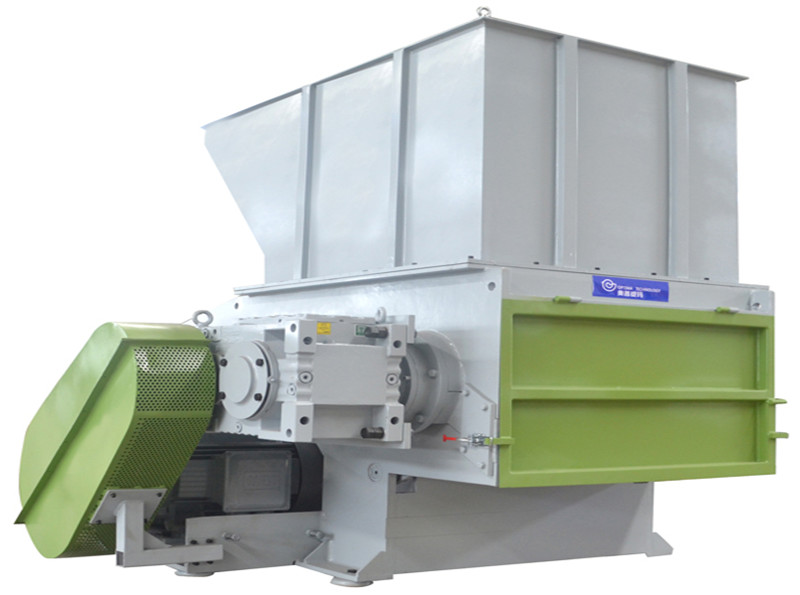
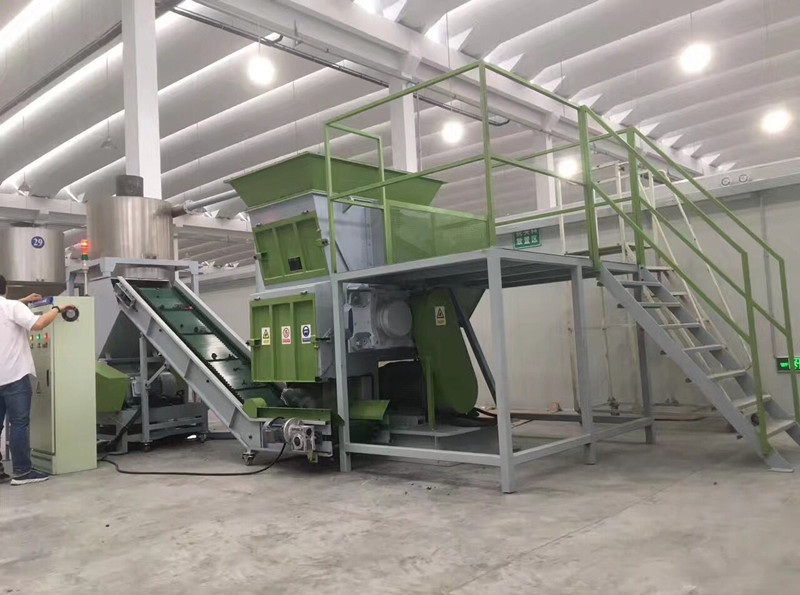
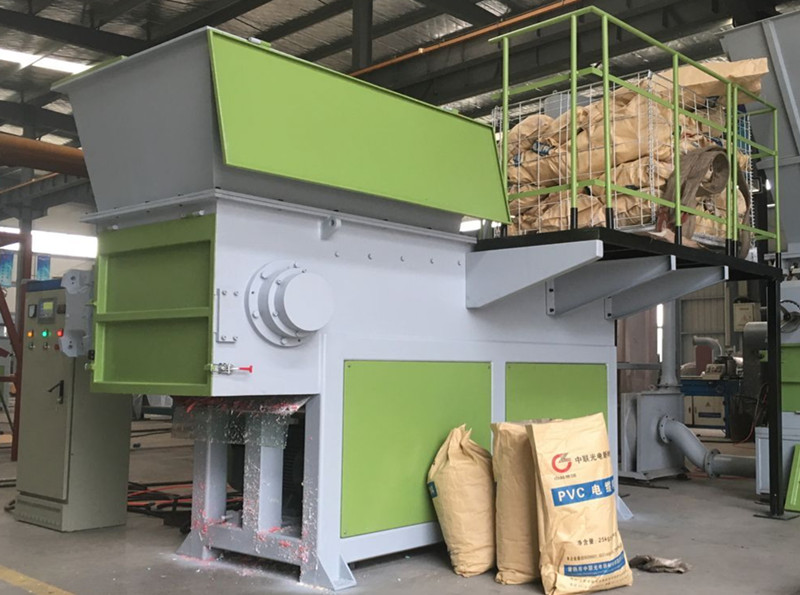
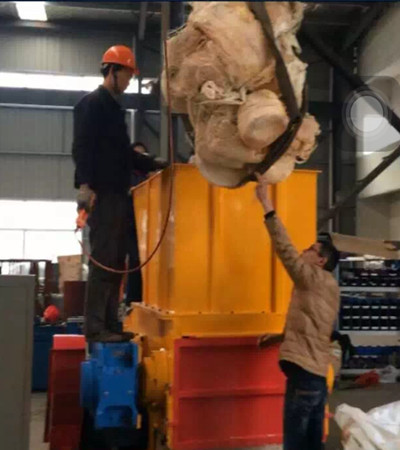
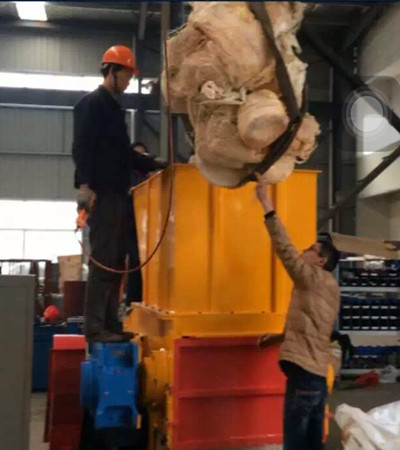
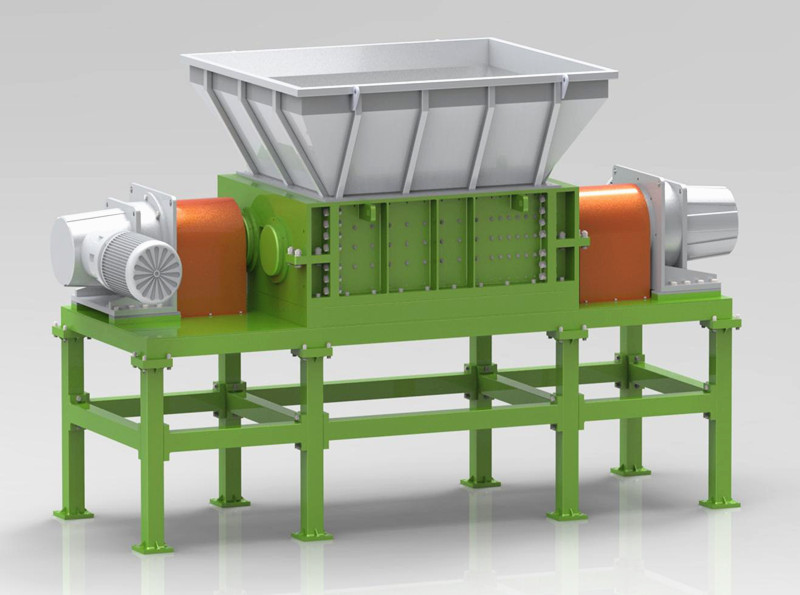
The single-shaft shredder (1-shaft shredder) is particularly suitable for shredding large quantities of post-consumer, domestic and industrial waste. The robust construction makes the machine ready for heavy and intensive use.
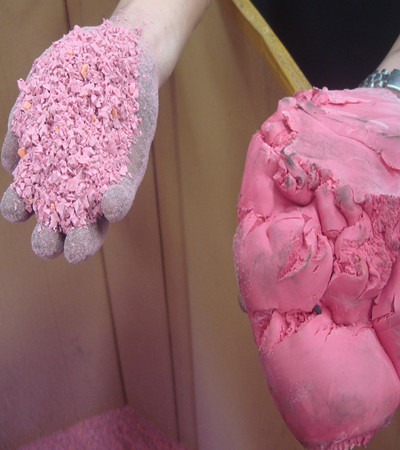
Single shaft shredder consists of one shaft with pieces of rotary blades, it can be used to shred solid materials such as plastic, rubber, fiber, paper, wood, electrical components, cables, etc.
What Materials Can the OSX Series Process?
Plastic Lumps and Molding Scrap
Plastic lumps and blocks made from PP, PE, PET, PC, ABS and nylon are listed applications. Their solid cross-sections make block thickness and individual piece weight important selection factors. The hydraulic pusher brings material toward the cutting shaft for progressive size reduction.
Identify reinforced, filled or mixed-polymer scrap separately. A material name alone does not establish its cutting behavior.
Pipes, Film and Woven Bags
Plastic pipes need assessment by outside diameter, wall thickness and length. These dimensions determine how the pipe enters the cutting area and whether it needs pre-cutting.
Film and woven bags present a different feeding task. Loose material can compress, while rolls and bales concentrate more material in each load. Specify the feed form so that the pusher and cutting arrangement can be assessed for consistent engagement.
Wood, Paper and Selected Cable Scrap
Wood scrap and pallets require assessment of timber thickness, overall dimensions and embedded fasteners. Paper and fibrous materials need a discharge specification that matches collection or further processing.
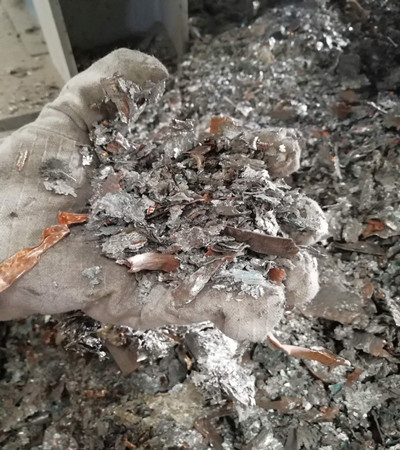
Cable applications involve size reduction before subsequent recovery stages. Identify conductor material, cable construction and any steel reinforcement. A single shaft shredder does not perform copper–plastic separation by itself.
| Material to be processed | Dimensions and condition to identify | Main selection issue |
|---|
| Plastic lumps and blocks | Length × width × height, thickest section, piece weight | Cutting load and pusher engagement |
| Plastic pipes and fittings | Outside diameter, wall thickness, length | Entry into the cutting zone and pre-cutting |
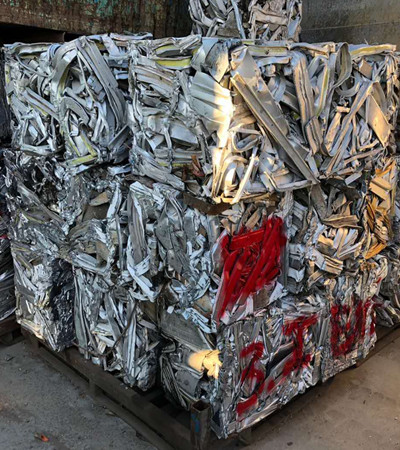
| Film and woven bags | Loose, rolled or baled; roll or bale dimensions | Compression, feeding consistency and wrapping behavior |
| Wood and pallets | Overall size, timber sections, fasteners | Feed preparation and cutter exposure to attachments |
| Paper and fibrous scrap | Sheet, roll or bale form; moisture and contaminants | Feeding behavior and discharge requirements |
| Cable scrap | Cable diameter, bundle size, conductor and reinforcement | Cutter suitability and downstream separation |
For a mixed feed, list each material and its approximate proportion. Suitability must be established for the mixture as well as the individual materials.
Feed Dimensions and Pre-Cutting Requirements
The model table lists hopper dimensions. These are machine dimensions, not guaranteed maximum dimensions for an intact item.
A hollow pipe and a solid plastic block with similar external dimensions place different loads on the cutter shaft. Long items may also bridge across the hopper without reaching the cutting zone.
For an intact-feed assessment, provide:
Maximum item length, width and height.
Wall thickness or solid-section thickness.
Maximum individual weight.
Photographs showing shape, attachments and normal feed condition.
Long pipes, large bales and heavy blocks need a model-specific feeding recommendation. Do not assume that an item can be processed directly simply because it fits through the hopper.
Single Shaft Shredder Models and Specifications
| Model | Main motor power | Shaft speed | Hydraulic power | Screen opening range | Hopper size |
|---|
| OSX3060 | 30 kW | 80 rpm | 4 kW | 30–60 mm | 570 × 600 mm |
| OSX3880 | 45 kW | 80 rpm | 4 kW | 40–100 mm | 700 × 850 mm |
| OSX46100 | 45 kW | 80 rpm | 4 kW | 40–100 mm | 800 × 1,000 mm |
| OSX46120 | 55 kW | 80 rpm | 4 kW | 40–100 mm | 800 × 1,200 mm |
| OSX46150 | 75 kW | 80 rpm | 5.5 kW | 40–100 mm | 800 × 1,500 mm |
| OSX75150 | 2 × 75 kW | 60 rpm | 7.5 kW | 40–100 mm | 1,100 × 1,500 mm |
Main motor power and hydraulic power are separate ratings. Conveyors and other auxiliary equipment must also be considered when defining the installation’s electrical requirements.

Selecting Screen Openings for Your Required Output
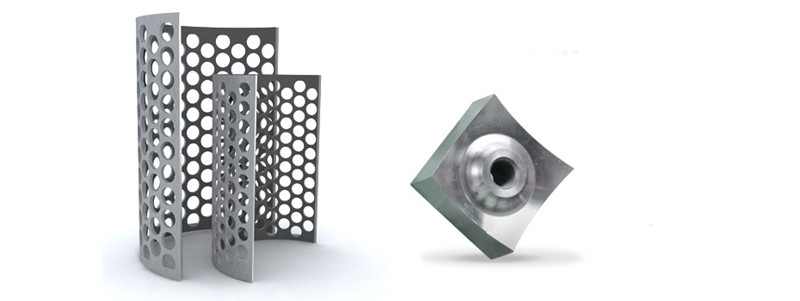
The screen beneath the cutting shaft influences when material leaves the machine. Material that cannot pass through the openings remains in the cutting chamber for further reduction.
A smaller opening generally requires more cutting before discharge. A larger opening can be appropriate when the next machine accepts a coarser pre-shred. The useful choice depends on the complete process, including any secondary granulator.
| Your processing requirement | Screen selection approach |
|---|
| Coarse pre-shred for a downstream granulator | Assess a larger available opening against the granulator’s permitted feed size |
| Smaller discharge for handling or further processing | Trial a smaller available opening and measure its effect on throughput |
| Film or elongated material | Check actual strip length and discharge behavior, not only nominal screen diameter |
| A strict output-size limit | Agree on sampling and measurement criteria during the material trial |
Screen diameter is not a guarantee that every fragment has identical length, width and thickness. Where oversized strips or fines affect your next process, include them in the acceptance criteria.
Hydraulic Feeding, Cutting and Discharge
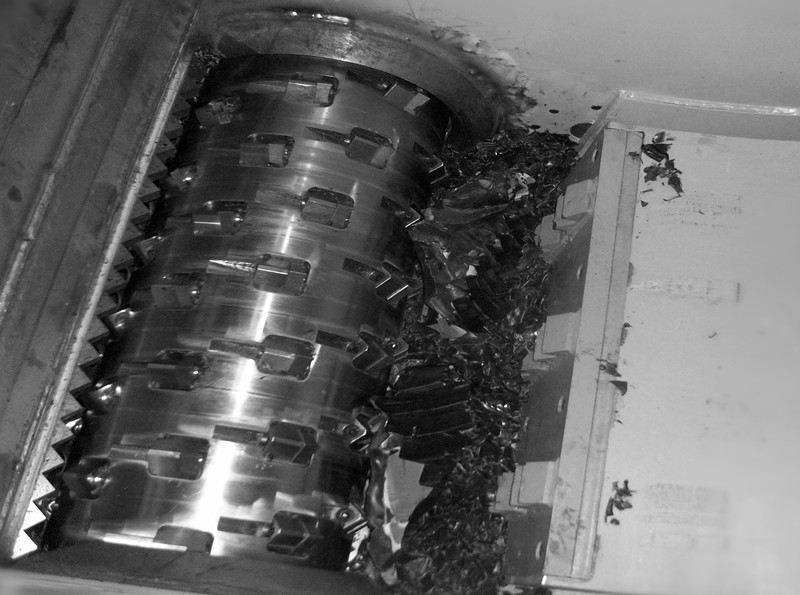
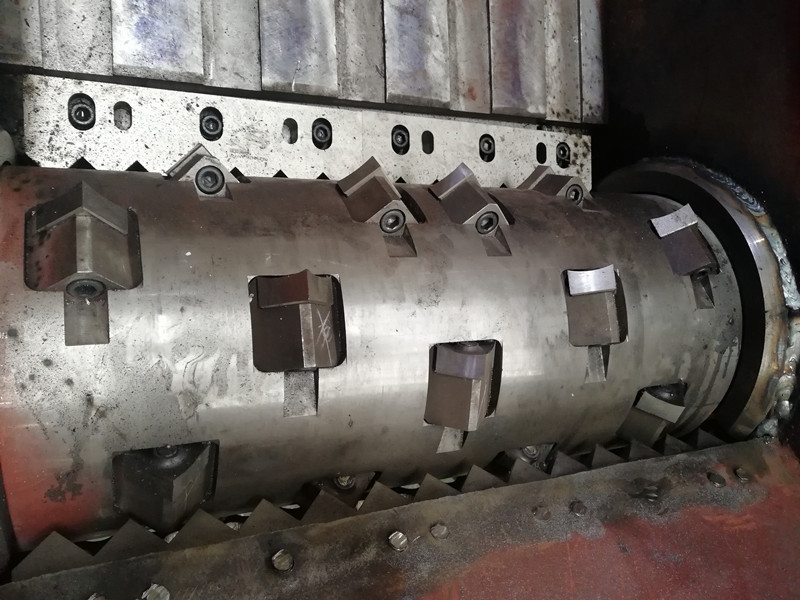
The hydraulic pusher moves feed toward the rotor, where rotating cutters work against stationary knives. The sizing screen retains material for further cutting until it can discharge. PLC control manages the machine’s operating sequence.
For film, bags and irregular pieces, material engagement is as important as the nominal motor rating. A representative trial should show how the feed reaches the rotor and whether loading remains consistent.
When pairing these single shaft shredding machines with a secondary crusher or granulator, match the discharge size and feed rate to the next machine. Also define the conveyor arrangement, discharge height and control interface.
For broader equipment selection, compare our industrial shredder machines. For bulky-feed projects where coarse reduction is the main objective, review the double shaft shredder range.
Blade Supply and Maintenance Planning
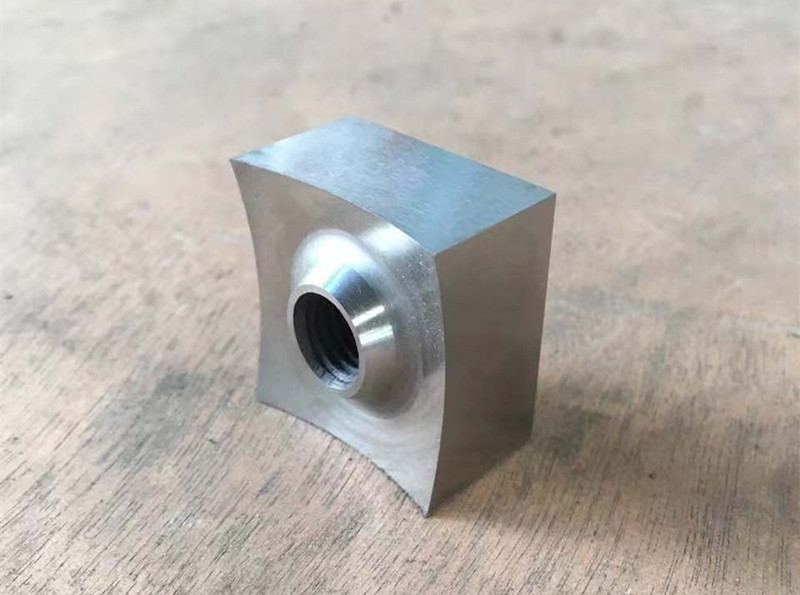
Optima supplies single shaft shredder blades in listed materials including H13, D2 and SKD11, with customized blade requirements accepted.
For replacement blades, provide the machine model, blade dimensions, mounting details and material being processed. Confirm the specified blade grade and geometry rather than choosing a replacement by appearance alone.
Before finalizing the installation, allow access for cutter inspection, screen removal and cleaning. Include the supplied cutter arrangement, adjustment procedure and recommended spare parts in the equipment documentation.
Material Testing and Quotation
Optima offers free sample-material testing and can provide a test video. Send material that represents your normal production feed, including its typical dimensions and the difficult pieces that occur regularly.
Define the trial around your required result:
Feed material, composition and preparation.
Selected model and screen opening.
Feed weight and elapsed processing time.
Loading method and interruptions.
Output sample and any oversize or fines limits.
For a single shaft shredder quotation, include your target kg/h, working hours per shift, maximum feed dimensions, required discharge size, site power supply and downstream equipment.
Send Your Material Details for Testing and a Quote