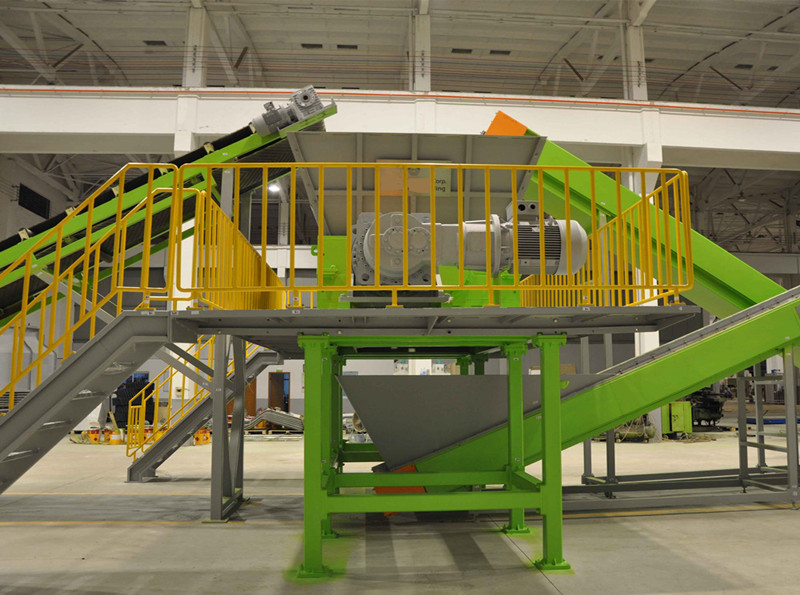
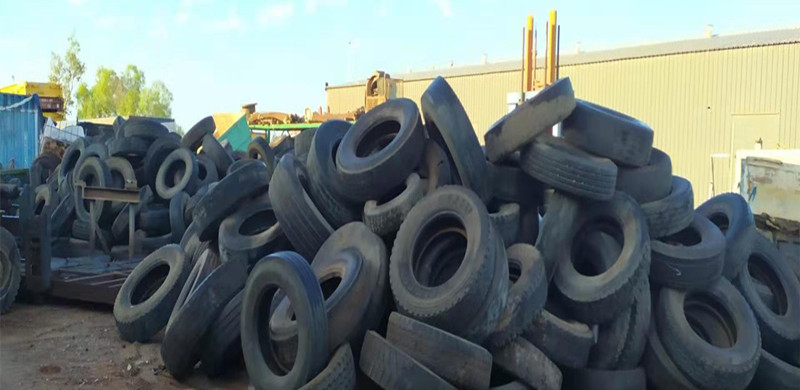
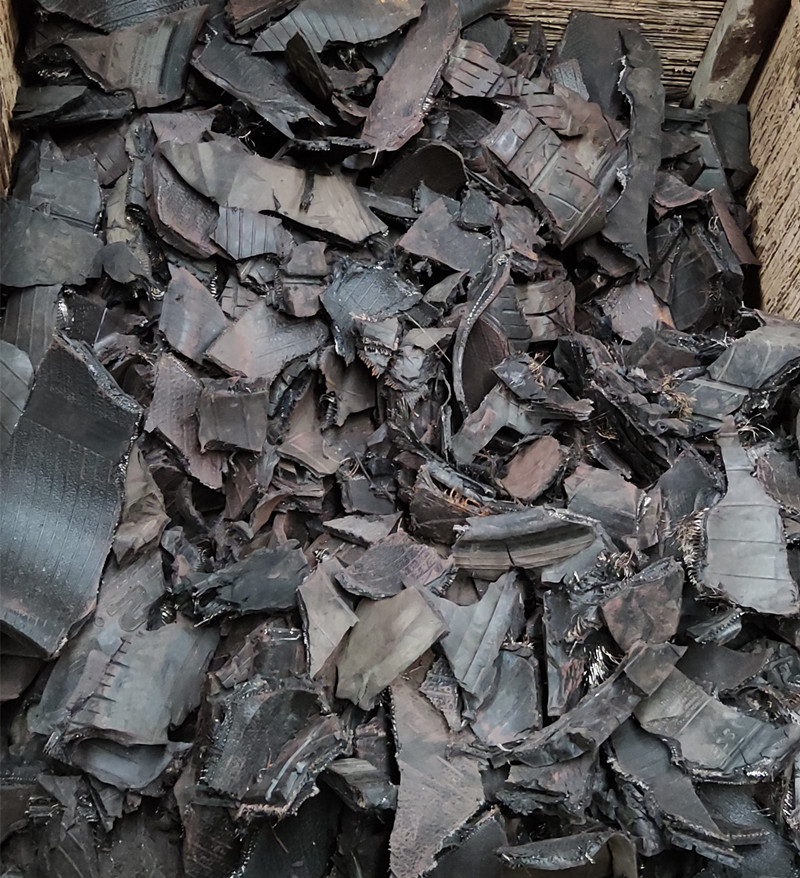
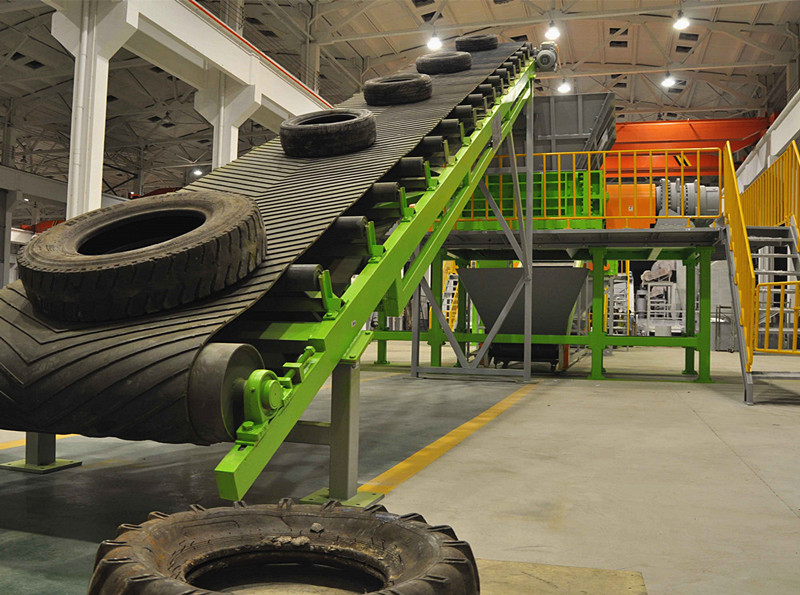
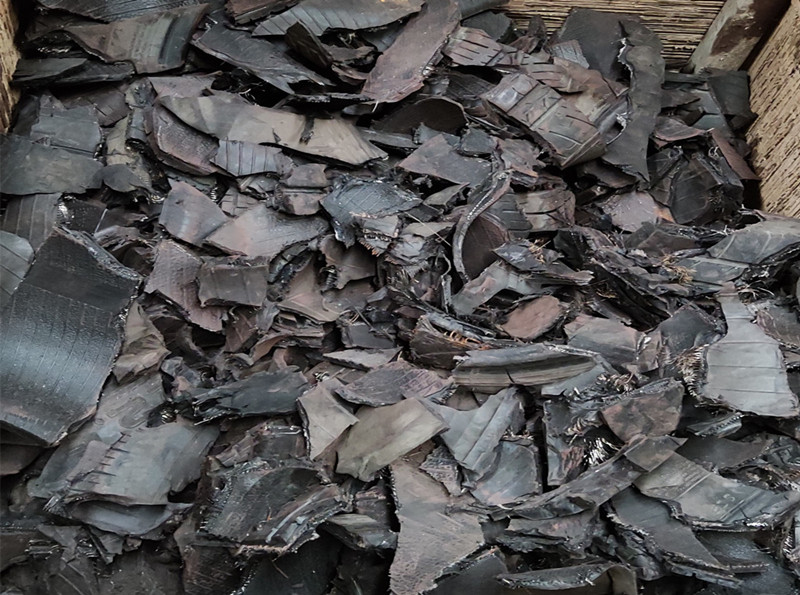
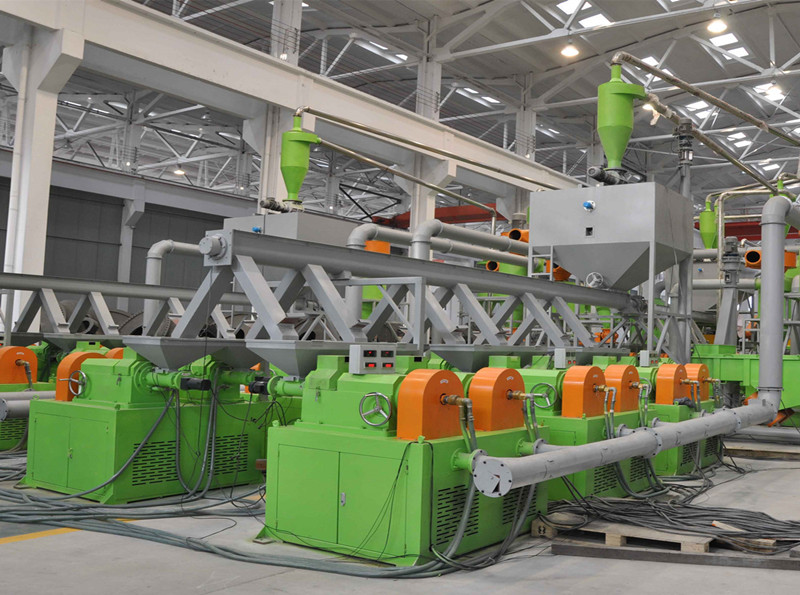
Optima Recycling designs and manufactures complete tire derived fuel plants for processing end-of-life passenger car tires and truck tires into standardized TDF chips for use as alternative fuel in cement kilns, industrial boilers, pulp and paper mills, and power generation facilities. Our stationary TDF shredding system integrates a double shaft primary shredder with a disc classifier screening unit to deliver consistent 50–150mm rubber chips at capacities up to 7 tons per hour — significantly higher than mobile or single-pass alternatives.
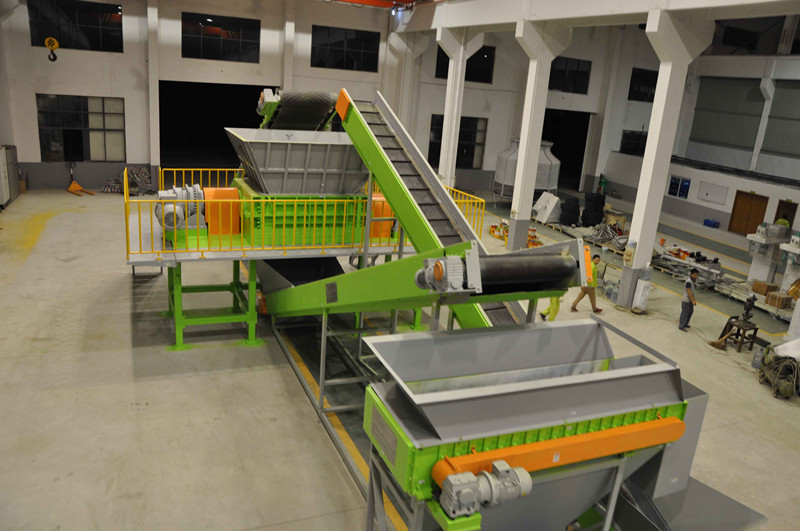
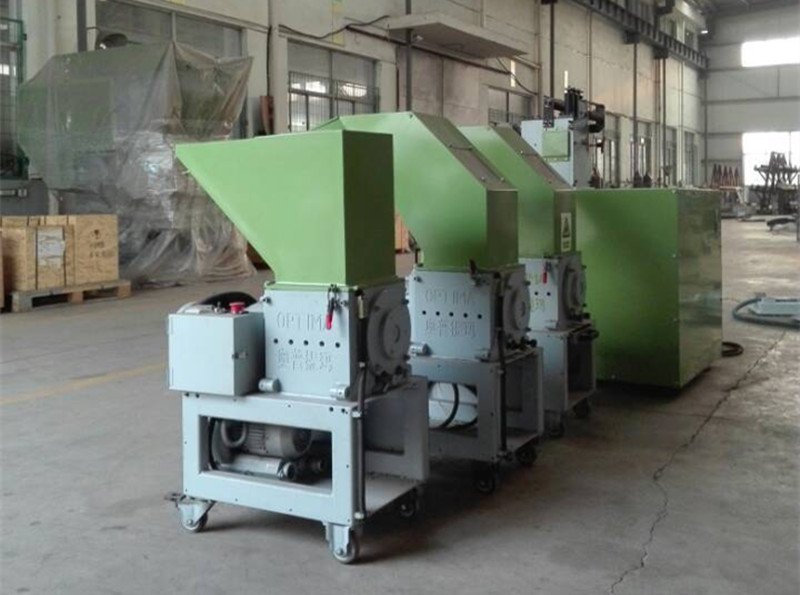
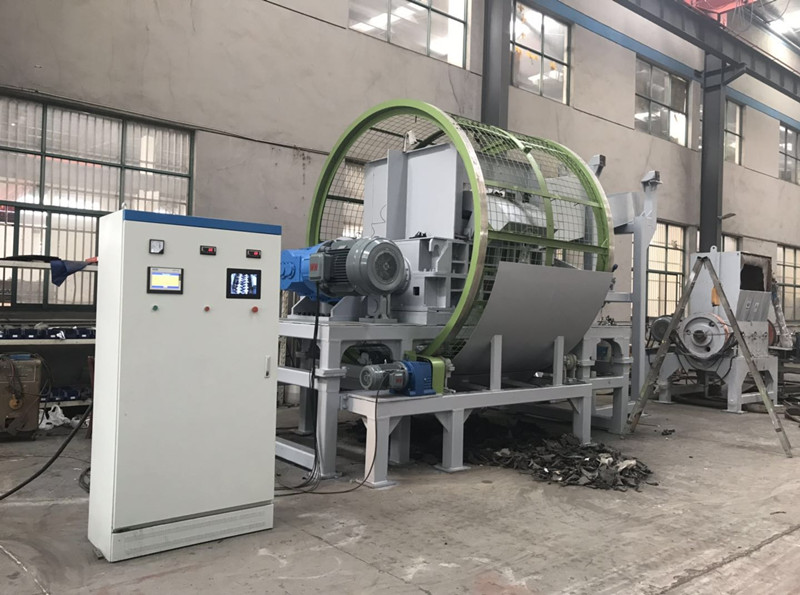
This is a fixed, high-capacity tire derived fuel plant, purpose-built for operators who need reliable daily tonnage, not occasional processing. A complete system ready for export left our Changzhou facility for the USA market — the full plant in the photo above is one example.
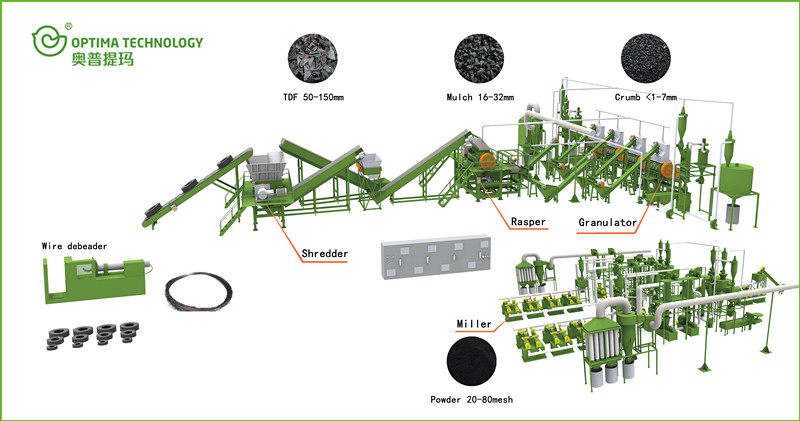
The main equipment of Tire Shredding Machine System are:
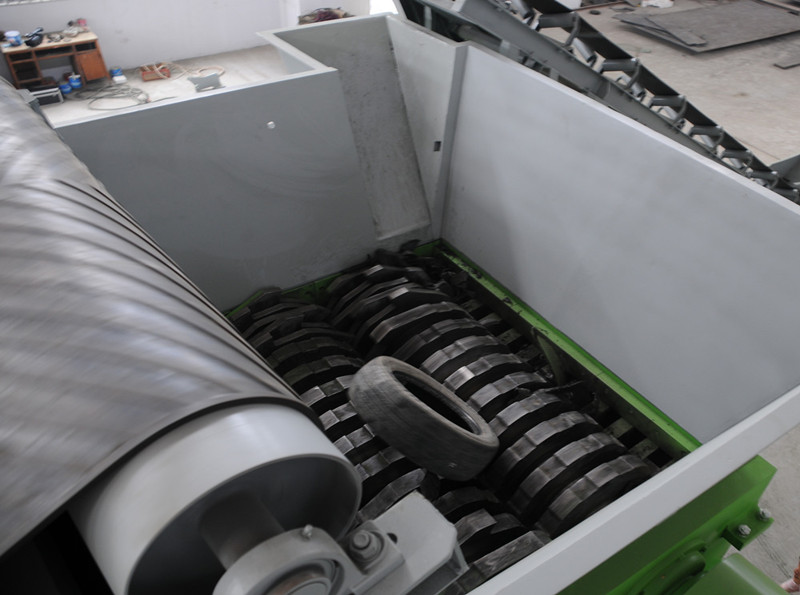
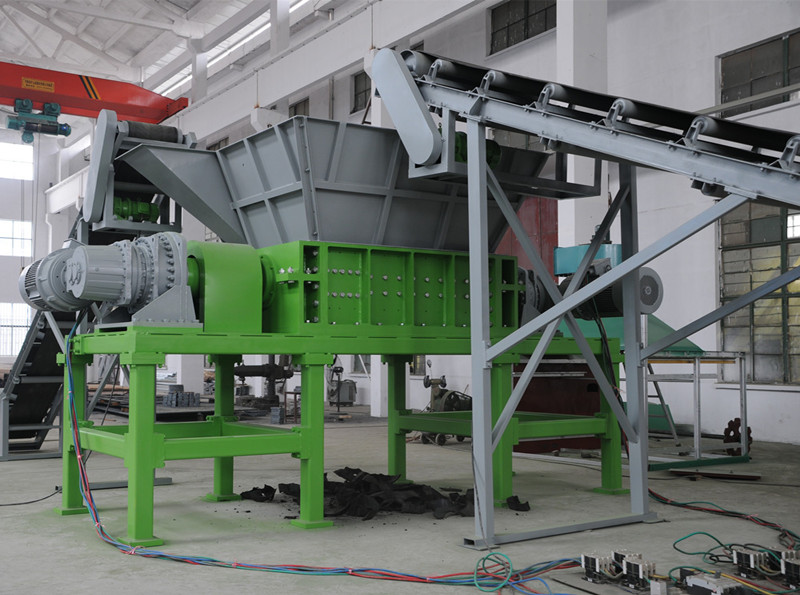
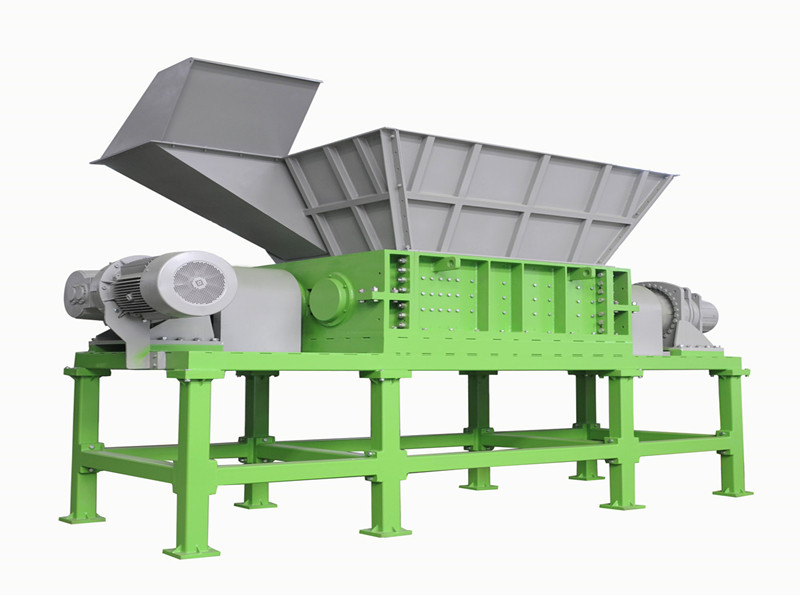
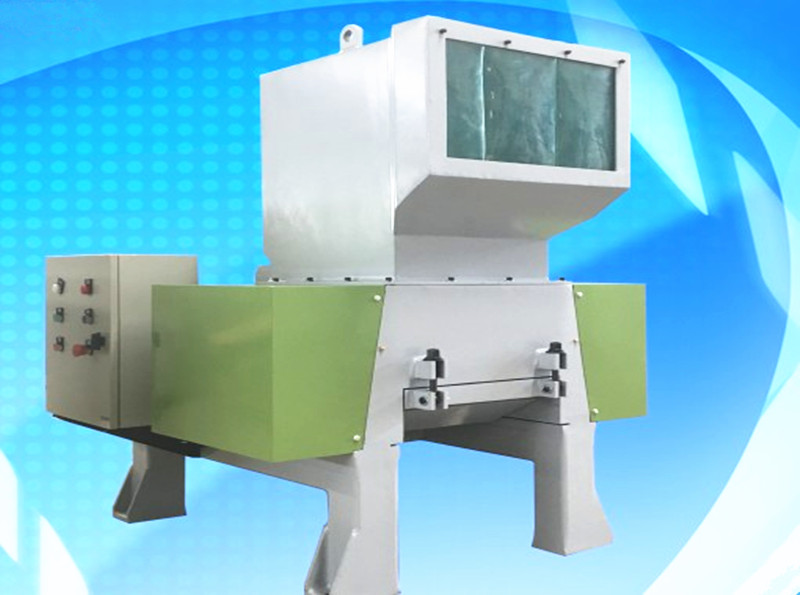
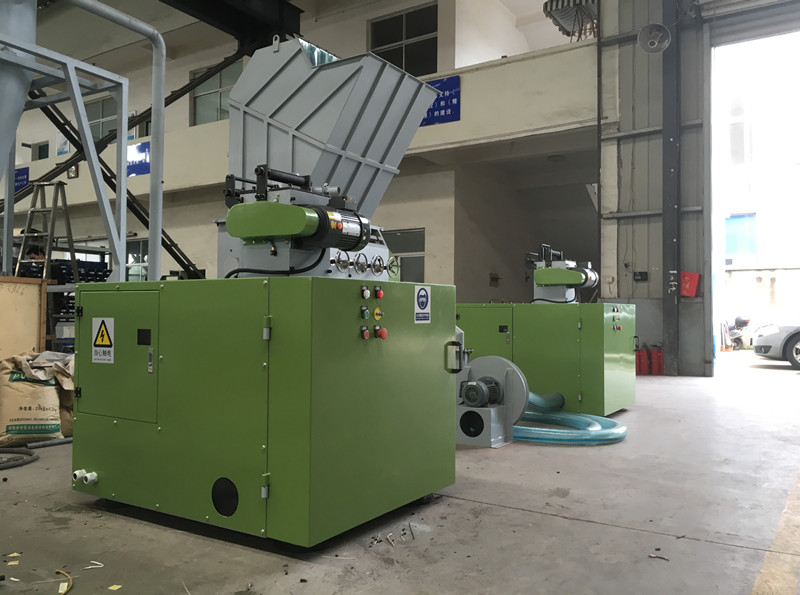
Double Shaft Shredder
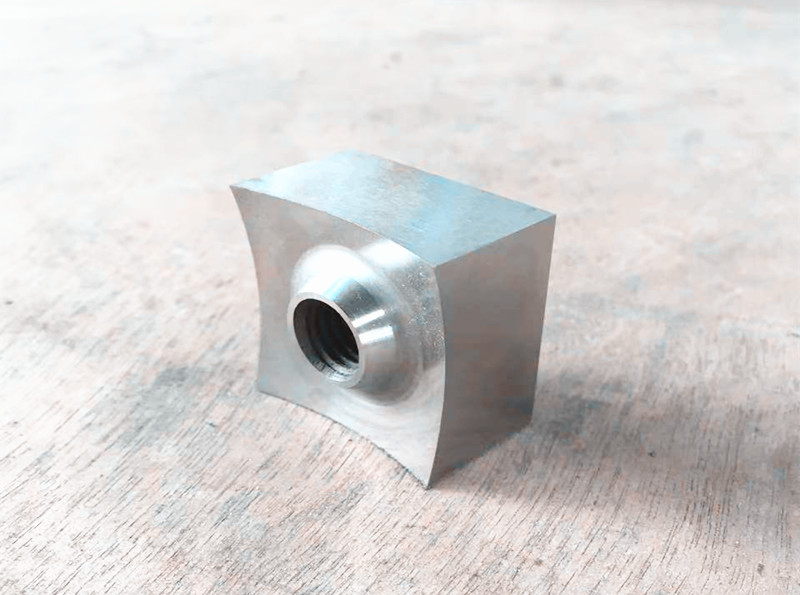
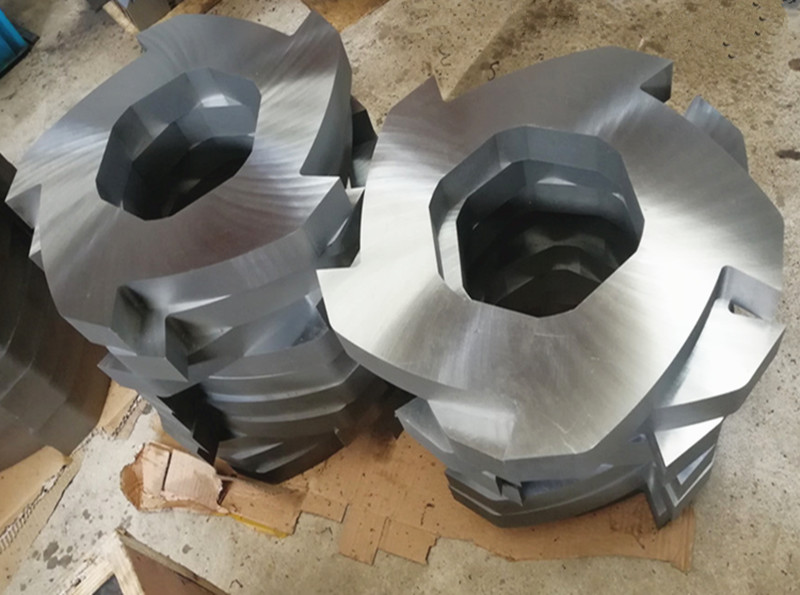
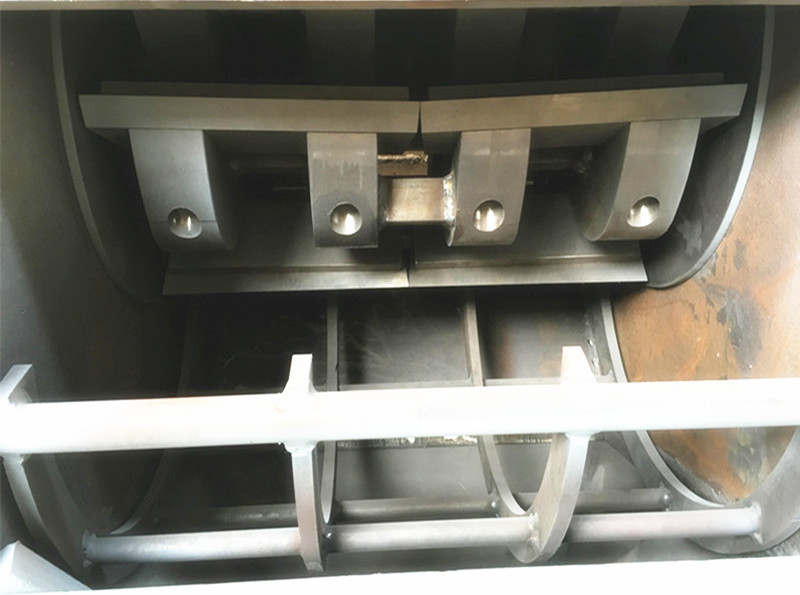
Blade
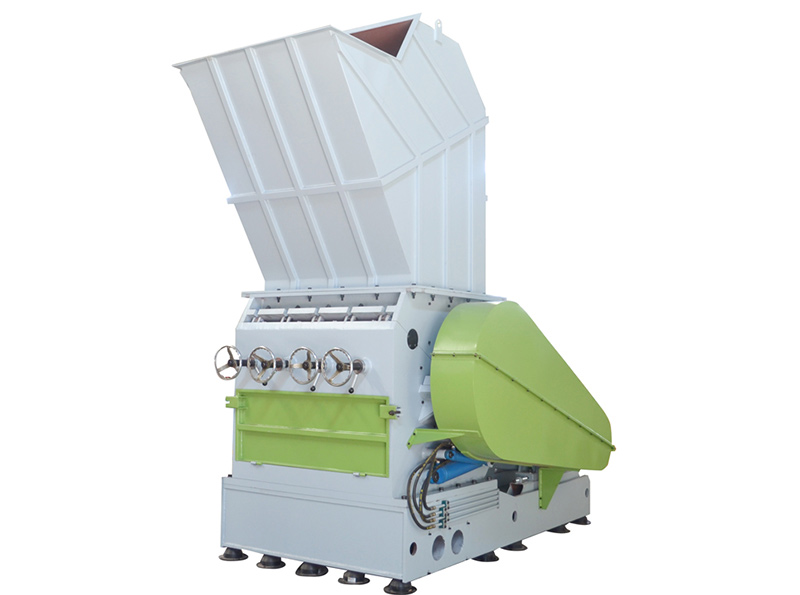
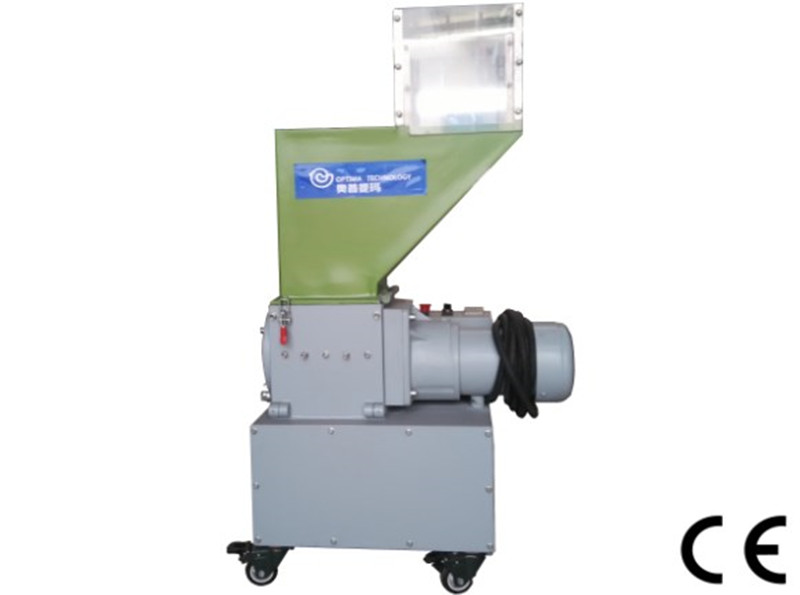
Heavy Duty Granulator
TDF Plant vs. Mobile Portable Tire Shredder: Which Do You Need?
This TDF plant is different from mobile tire shredder TDF, this is designed for shredding waste tire into 50mm~150mm rubber blocks, shredder works with trommel screen, this works with disc classifier,so the capacity is increased a lot,the max. capacity up to 7 tons per hour.
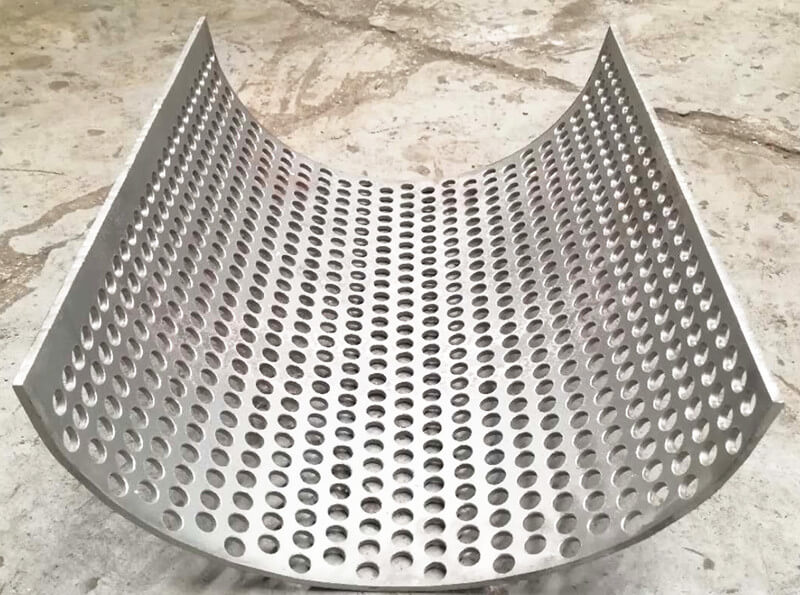
The function of disc classifier,to separate over size rubber chips from required size rubber chips.
The blade adopts design of bigger smaller knives,it can cut more than 6000 tons of car tires or 4000 tons of truck tires.
We have detailed drawing and video to tell you how to replace the blades if they are worn out.
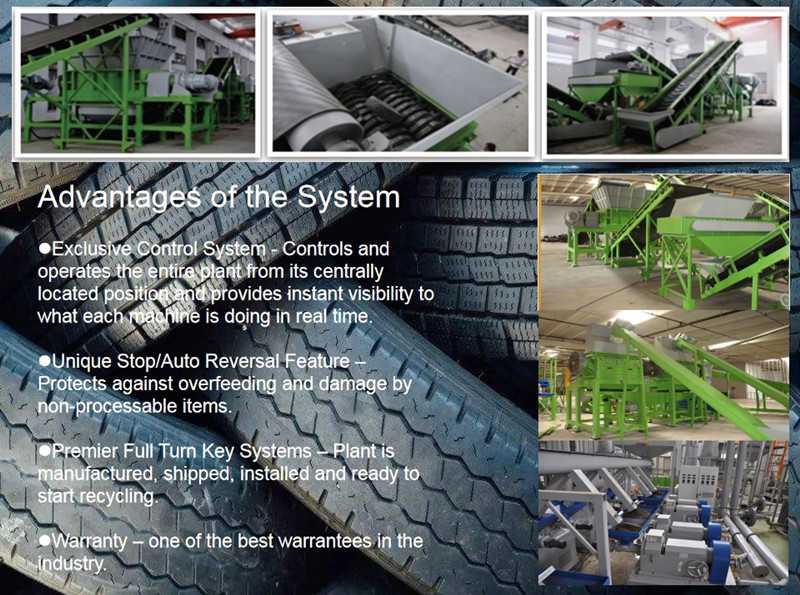
We purchase famous brands of motors and gearboxes to ensure the safety and long time life of the shredder.
| Tire Derived Fuel Plant (This Page) | Mobile Portable Tire Shredder |
|---|
| Installation | Fixed, stationary | Trailer-mounted, mobile |
| Capacity | 3–7 T/H (up to 20 T/H custom) | Lower, designed for flexibility |
| Output Size | 50–150mm (ASTM-compliant) | 50×50mm chips |
| Screening | Disc classifier (automatic recirculation) | None or basic |
| Best For | High-volume fixed-site TDF production | Multi-site operations, on-location processing |
| ROI Model | High throughput, low per-ton operating cost | Flexibility, minimal site infrastructure |
If you are building a dedicated tire recycling facility or supplying TDF to a nearby cement plant on a long-term contract, the stationary tire derived fuel plant delivers substantially lower cost per ton. If you need to move between collection sites or process tires at multiple locations, the mobile system is the right choice.
Portable shredder applications
You can find more tire recycling machines and recycling equipment from Optima. Optima will always provide the most cost effective solution for end-of-life tires.
1. 50*50 mm TDF chips that can be used as fuel.
2. TDF chips can also be produced by the wire free mulch plant into 18-30mm wire free rubber granules and steel wire for Pyrolysis, gardens, playgrounds, and horse arenas.
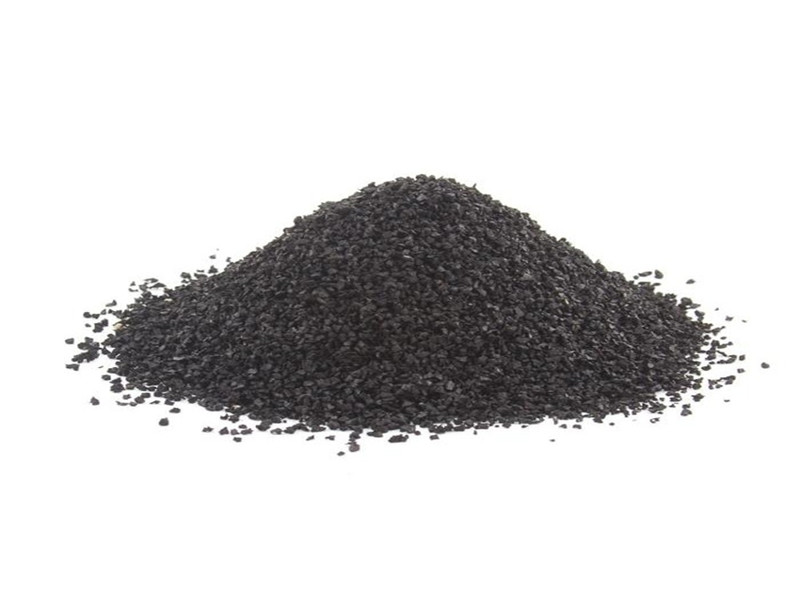
3. Then the rubber crumb machine produces wire free rubber granules into 1-6mm rubber granules for mats, runways and playgrounds.
4. Further crushing rubber granules into rubber powder by rubber powder production line for construction and transportation applications.
Why Choose Optima Recycling for Your TDF Plant?
Full Tire Recycling Ecosystem
We do not only manufacture the front-end shredding system — we produce the complete Stage 1 through Stage 4 tire recycling line. This means you can start with a tire derived fuel plant and expand to crumb rubber or rubber powder without changing your machinery supplier or facing integration issues.
Proven Blade Design
Our alternating large-small knife configuration on the double shaft shredder is engineered specifically for the mixed steel-and-rubber structure of radial tires. The blade geometry distributes wear evenly across the cutting face, extending service life beyond standard single-pitch knife designs. Full blade replacement documentation — engineering drawings and installation videos — is provided with every system.
Siemens Drive Components
We specify Siemens motors and premium-brand gearboxes for all drive trains. In a high-torque, high-impact application like tire shredding, motor reliability directly determines plant uptime. These are not value-engineered components; they are the same brands used by European-standard manufacturers.
OEM & Custom Engineering
Our engineering team carries 15+ years of tire recycling system experience. Custom capacity from 3 T/H to 20 T/H, custom voltage and electrical standard (50Hz/60Hz, 380V/415V/480V), and custom layout for your facility footprint are all available. OEM and ODM configurations are accepted.
Export-Ready Manufacturing
Complete TDF plants are assembled, trial-run, and inspected at our Changzhou factory before shipment. Wooden export packing, sea freight coordination, and on-site commissioning support (available on request) are all part of our standard export process.
Frequently Asked Questions
Q1: What size of tires can the TDF plant process?
A: The standard system accepts passenger car tires up to 1200mm in outer diameter and truck tires of standard commercial sizes. For oversized OTR (off-the-road), agricultural, or mining tires, please contact us — custom feed opening configurations are available for these applications.
Q2: What is the output chip size, and does it meet ASTM standards?
A: Standard output from our tire derived fuel plant is 50–150mm rubber chips, which complies with ASTM D6270-08 specification for Tire-Derived Aggregate (TDA) and Tire-Derived Fuel (TDF). The disc classifier ensures oversize chips are recirculated and re-shredded before discharge, so all output is within specification.
Q3: Does the TDF output still contain steel wire?
A: Yes — the TDF chips from Stage 1 contain the steel wire from the tire belt structure. For cement kilns, this is acceptable and desirable (the steel is absorbed into the clinker as an iron source). For pulp and paper or certain boiler applications, wire-free TDF is required; in that case, your Stage 1 output feeds into our Wire Free Mulch Plant, which liberates the steel wire.
Q4: What is the power consumption of the system?
A: Total installed power varies by capacity configuration. For the standard 3–7 T/H system, approximate total installed power is in the range of 90–160 kW. Each shaft is independently driven, allowing single-shaft operation during reduced-throughput periods to save energy. Please contact us with your target capacity and we will provide a full electrical specification.
Q5: How long do the shredder blades last, and how difficult are they to replace?
A: Our blades are rated at over 6,000 tons for car tires and over 4,000 tons for truck tires — depending on tire type and steel belt content. Blade replacement is a documented maintenance procedure: we provide detailed engineering drawings and step-by-step video instructions with every system. Replacement blades are available directly from our factory; lead time is typically 7–10 days.
Q6: Can the capacity be scaled beyond 7 tons per hour?
A: Yes. Custom configurations up to 20 tons per hour are available, using parallel shredder trains, higher-torque drive systems, and upgraded disc classifier capacity. These systems are engineered to order. Please provide your target throughput and tire mix (car vs. truck percentage) for a customized system proposal.
Q7: What certifications does the system carry?
A: Our TDF shredding systems are CE and ISO certified. The full plant is assembled and trial-run at our factory before export, and inspection reports are provided. We can accommodate third-party inspection (SGS, BV, etc.) at your request.
Request a Tire Derived Fuel Plant Quote
Tell us your target daily capacity (tons/day), tire type mix (car/truck ratio), and end market (cement kiln, boiler, further processing) — and we will respond with a system configuration and indicative pricing within 24 hours.