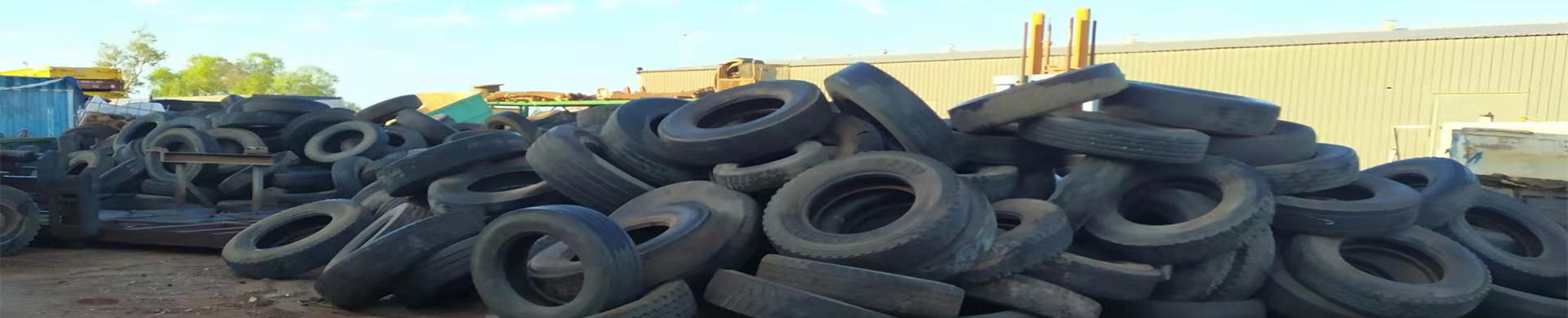
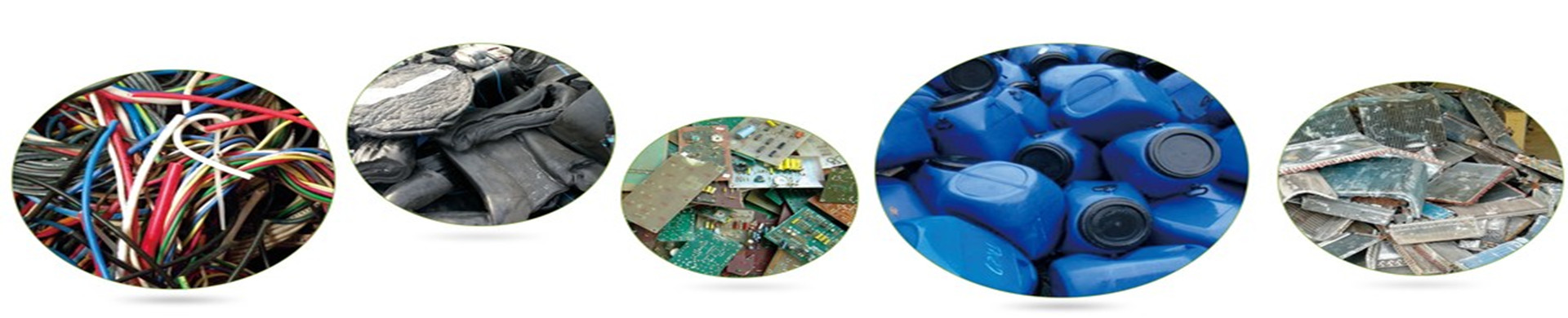
Every city, factory, and recycling yard generates solid waste that is too bulky, mixed, or awkward to handle directly. Shredding is the first step that makes waste manageable — reducing volume, unlocking sorting, and preparing material for recycling or energy recovery. A solid waste shredding system turns heterogeneous, oversized waste into uniform fragments that convey, separate, and process efficiently.
This guide explains how a double shaft shredder-based line is designed, what components belong in it, how capacity and output size are set, and how to choose the right configuration for municipal solid waste (MSW), commercial and industrial (C&I) waste, bulky waste, wood, and plastics.
1. Why shred solid waste
Unprocessed solid waste is expensive to move, hard to sort, and difficult to recover value from. Shredding delivers four benefits:
Volume reduction. Fragmenting bulky items cuts haulage trips and landfill or storage cost by 50 to 80 percent.
Sorting enablement. Uniform fragments expose materials for magnetic, air, and density separation downstream.
Energy recovery. Shredded MSW becomes Refuse Derived Fuel (RDF) or Solid Recovered Fuel (SRF) with consistent calorific value for cement kilns and power plants.
Material recovery. Plastics, metals, and wood can be reclaimed from the shredded stream rather than landfilled.
Key takeaway: shredding is not the end goal — it is the enabling step that makes every downstream process (sorting, baling, melting, burning) cheaper and cleaner.
2. Why double shaft shredders lead solid waste lines
Double shaft shredders use two counter-rotating, low-speed, high-torque shafts fitted with interlocking blades. They tear and shear material rather than relying on high-speed impact. For solid waste this matters because:
They tolerate mixed, wet, and contaminated feed without frequent clogging.
Hard or oversized items trigger PLC-controlled overload reverse instead of breaking the machine.
Output size is controllable through blade thickness, screen, and rotation count.
They handle metals, plastics, rubber, wood, paper, e-waste, and MSW in one machine type.
By contrast, a single shaft shredder excels at uniform, screen-controlled flake for cleaner streams, while a heavy-duty granulator produces fine, consistent regrind as a second-stage processor. In a solid waste line, the double shaft shredder is normally the primary reducer.
3. Line components and material flow
A complete solid waste shredding line from Optima consists of a double shaft shredder, feeding device, optional cooling device, optional fire-resistant device, and downstream conveyors and separators. The typical flow is:
Feed hopper / conveyor → double shaft shredder → discharge conveyor → screen → magnetic or air separator → sorted fractions.
| Component | Function |
|---|
| Feeding device | Meters bulky waste into the shredder; belt or hydraulic pusher for large items |
| Double shaft shredder | Primary low-speed tearing of mixed waste |
| Cooling device (optional) | Controls temperature when processing combustible or frictional material |
| Fire-resistant device (optional) | Suppresses ignition risk in high-risk waste streams |
| Screen | Controls fragment size and returns oversize for re-shredding |
| Magnetic / air separator | Recovers ferrous metal or light fractions downstream |
4. Capacity and output size
| Parameter | Typical range |
|---|
| Throughput | ~300 kg/h to 20 t/h+ (model dependent) |
| Output size | ~10 mm to 100 mm |
| Volume reduction | 50 to 80 percent |
| Motor power | From ~7.5 kW (small) to 220 kW+ (heavy industrial) |
Actual capacity depends on waste density, moisture, feed size, and required output size. A line specified for 5 t/h on light C&I waste may deliver far less on dense, wet MSW. Always request capacity against your real waste sample.
5. Design by waste type
| Waste stream | Design emphasis |
|---|
| Municipal solid waste (MSW) | High torque, anti-jam reverse, dust control, RDF output sizing |
| Commercial & industrial waste | Mixed packaging, plastic, paper; balanced throughput and screen |
| Bulky waste | Large hopper, hydraulic pusher, wide chamber |
| Wood waste | Blade geometry for fibrous material, oversize handling |
| Plastic waste | Follow with granulator for fine regrind if pelletizing is planned |
| Metal-bearing waste | Magnetic separation immediately downstream |
6. How to choose the right system
Profile the waste. Collect a representative sample covering the range of materials, sizes, and moisture you actually receive.
Set target throughput. Use sustainable daily volume, not peak spikes.
Define output size. RDF needs different sizing than sorting feed or landfilling.
Plan downstream. Decide which separators, screens, and conveyors the shredder must feed.
Confirm footprint and power. Heavy lines need reinforced concrete and verified electrical capacity.
Require a material test. Reputable suppliers process your sample to confirm density and throughput before quoting.
Optima designs each solid waste recycling system around the customer's waste and capacity, and can integrate it with related equipment such as the metal briquetting machine for recovered metal fractions.
7. Design checklist
Waste composition and moisture measured
Target throughput and output size documented
Required separators (magnetic, air, density) specified
Fire and dust control considered for risky streams
Footprint, foundation, and power verified
Spare blades and maintenance access confirmed
Supplier offers material test and commissioning support
Need a solid waste shredding line configured to your waste?Contact Optima at
sales@optimarecycling.com with a waste description and daily volume for a tailored solution and quotation. Use the
contact page to start the conversation.
8. Double shaft vs single shaft in waste processing
| Factor | Double shaft shredder | Single shaft shredder |
|---|
| Best feed | Bulky, mixed, wet, contaminated waste | Uniform, screen-controlled flake |
| Output | Coarse, controllable fragments | Fine, consistent regrind |
| Clog risk | Low (torque + reverse) | Higher on mixed waste |
| Role in line | Primary reduction | Secondary, after pre-shred |
For solid waste, the double shaft shredder is normally primary. A single shaft shredder or heavy-duty granulator then produces finer, uniform material when the downstream process (pelletizing, RDF densifying, or fine sorting) requires it.
9. Integration toward RDF and recycling lines
A solid waste shredding system is rarely the final step. Typical downstream paths:
RDF / SRF. Shredded MSW is screened, ferrous-separated, and densified into refuse-derived fuel for cement kilns and power plants.
Material recovery. Magnetic separation pulls steel; air or density separation recovers plastics and wood for recycling.
Pre-treatment. Shredded plastic waste feeds a granulator for regrind; shredded metal scrap feeds a baler or briquetting machine.
10. Safety, fire, and dust control
Fire resistance. Optional fire-resistant devices suppress ignition in high-risk streams such as mixed C&I waste.
Dust control. Enclosed transfer points and extraction protect air quality and reduce explosion risk.
Overload protection. PLC reverse on jam prevents shaft and gearbox damage.
Guarding. Lockout-tagout on blades and conveyors during service.
11. Commissioning and support
Optima configures each line to the waste profile, supplies the double shaft shredder and supporting equipment, and provides commissioning guidance. Request a material test on a representative waste sample so capacity and output size are confirmed against reality rather than catalog figures.
12. Common solid waste line design mistakes
Sizing on peak, not sustainable, volume. Causes chronic overload or wasted capital.
Ignoring moisture. Wet MSW cuts real throughput versus catalog ratings; confirm against a sample.
Under-specifying separation. A shredder without downstream magnetic or air separation wastes recoverable metal.
Skipping fire and dust control. Risky for mixed C&I and MSW streams; add options proactively.
No maintenance access. Blades and bearings must be reachable; plan service space in the layout.
13. How Optima supports solid waste projects
Optima engineers each solid waste recycling system around the customer's waste composition, target throughput, and output size. The double shaft shredder forms the primary reducer, with optional cooling and fire-resistant devices, conveyors, screens, and separators added as needed. Optima also supplies single shaft shredders and heavy-duty granulators for secondary size reduction, and provides commissioning support and globally deliverable wear parts.
14. Key terms glossary
Municipal Solid Waste (MSW)
Everyday city waste from households and commerce.
Refuse Derived Fuel (RDF)
Shredded, sized waste with recoverable calorific value for energy use.
Solid Recovered Fuel (SRF)
Higher-specification RDF with controlled quality for cement kilns and power plants.
Double shaft shredder
Low-speed, high-torque counter-rotating shafts that tear mixed waste.
Volume reduction
Percent decrease in waste size after shredding, typically 50 to 80 percent.
Overload reverse
PLC-triggered reversal that clears jams from hard or oversized items.
Frequently asked questions
What is a solid waste shredding system used for?
A solid waste shredding system reduces bulky municipal solid waste, commercial and industrial waste, bulky waste, wood, plastic, and metal scrap into smaller pieces for volume reduction, sorting, recycling, or energy recovery such as RDF and SRF.
Why use a double shaft shredder in a solid waste line?
Double shaft shredders use low-speed, high-torque counter-rotating shafts that tear mixed and bulky waste without frequent clogging. They tolerate contamination and produce a controllable fragment size, making them ideal for heterogeneous solid waste.
What capacity can a double shaft shredder handle?
Industrial double shaft shredders typically handle from about 300 kg/h up to 20 tons/h or more, depending on model, material, blade configuration, and required output size.
What output size does a solid waste shredder produce?
Output size is controlled by blade thickness, screen, and number of rotations. Typical solid waste shredding produces fragments from roughly 10 mm up to 100 mm, with 50 to 80 percent volume reduction versus loose waste.
What components make up a complete solid waste shredding line?
A complete line includes a feeding device, double shaft shredder, optional cooling device, optional fire-resistant device, conveyors, screens, and separation units such as magnetic or air separators for downstream sorting.
How do I choose the right solid waste shredder?
Match the shredder to waste composition, target throughput, required output size, moisture, and available footprint. Provide the supplier with a representative waste sample and your daily volume for a configured solution.
Can a solid waste shredder handle wet or mixed waste?
Yes. Low-speed high-torque double shaft shredders are designed for mixed and wet waste streams. PLC control with overload reverse protection prevents jamming from hard or oversized items.
Does Optima build custom solid waste shredding solutions?
Yes. Optima engineers each solid waste shredding line around the specific waste profile and capacity, and supplies supporting equipment such as the heavy-duty granulator and single shaft shredder for secondary size reduction.
Published by Optima (Changzhou Optima Technology Co., Ltd.) — manufacturer of scrap cable recycling machines, waste tire recycling plants, radiator recycling machines, shredders, granulators, and related recycling equipment. See big solid waste shredder customer cases or browse the full product catalog.