
What Is a Rubber Crumb Machine Used For? 10 Applications of Recycled Tire Rubber
A rubber crumb machine turns end-of-life tires into uniform rubber granules (1–6 mm) and powder (20–120 mesh) used in rubberized asphalt, artificial-turf infill, playground safety surfaces, gym flooring, rubber tiles, molded parts, acoustic materials, and reclaimed rubber. By adding steel-wire and fiber separation, the machine outputs clean, sellable recycled rubber instead of waste. Optima's rubber crumb plant covers the full line from shredding to screening for tire recyclers worldwide.
How a rubber crumb machine adds value
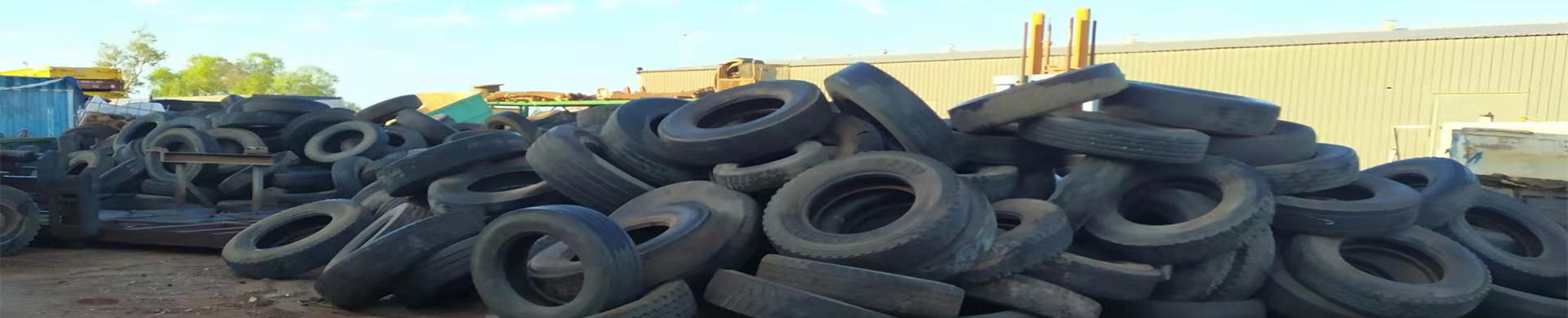
Whole tires are a liability (storage cost, fire risk). Crumb rubber is a commodity with stable demand. The machine's job is to strip out steel and fiber so the rubber meets buyer specs — the cleaner and more uniform the granule, the higher the price.
10 applications of recycled tire rubber
Rubberized asphalt — improves pavement durability, cuts noise, resists cracking (large infrastructure market).
Artificial turf infill — elastic, shock-absorbing infill for sports fields.
Playground safety surfaces — fall-absorbing mats and pour-in-place surfacing.
Gym & sports flooring — shock-absorbing tiles and rolls.
Rubber tiles & mats — speed bumps, livestock mats, anti-fatigue floor mats.
Molded rubber products — wheel stops, vibration pads, noise barriers.
Reclaimed rubber — blended back into new rubber goods.
Acoustic / insulation materials — sound damping and waterproofing.
Landscaping mulch — pathways, pet areas (where local safety standards allow).
Pyrolysis feedstock — pre-shredded, low-steel chips for nearby pyrolysis plants.
Particle sizes and where they sell
| Product | Size | Typical market |
|---|---|---|
| Coarse chips | 5–20 mm | TDF fuel, mulch, engineering |
| Rubber granules | 1–6 mm | Turf, playgrounds, tiles, sports |
| Rubber powder | 20–40 mesh | Asphalt, reclaimed rubber |
| Fine powder | 40–120 mesh | Specialty composites |
Finer is not automatically more profitable — fine grinding adds energy, cooling, and wear-part cost. Match size to a real buyer.
Production capacity
Optima configures crumb lines from several hundred kg/h (startup) to several t/h (industrial). Size the line to your tire intake and the finest product you can actually sell.
Project configuration
A crumb line = tire shredder (double-shaft) → rasper/granulator → magnetic separator → fiber separator → screening → dust collection. Add a grinding mill only if you sell powder.
Actual procurement problems
No buyer for the finest product — build the line around confirmed demand; a simple chip line can out-earn a powder line if a cement plant buys TDF locally.
Over-specifying fineness — fine powder needs cooling, extra screening, and dust control; only add it when orders exist.
Purity gaps — incomplete steel/fiber removal drops price; size separators to throughput.
Equipment maintenance experience
Daily: inspect shredder blades for chipping, clear jams, check oil.
Weekly: verify magnet strength, screen wear, conveyor tension.
Monthly: lubricate bearings, check motor temp, shaft seals.
Every 500–1,000 h: rotate/replace blades; use wear-resistant alloy for tire duty.
Project case
Optima supplied a waste-tyre recycling plant with a rubber-crumb machine to an overseas operator turning passenger and truck tires into granules for molded-rubber and asphalt markets, commissioned with on-site training and spare blades.
Customer countries
As a 15+ year exporter, Optima serves tire recyclers across Asia, Europe, the Americas, Africa, and Oceania, with documented tire-recycling and copper-recycling installations overseas.
Frequently asked questions
Which product is most profitable?
There is no single winner — it depends on local demand, energy price, and feedstock. The profitable product is the one with a buyer, consistent quality, and an acceptable margin after all costs.
Do I need pyrolysis to make money from tires?
No. You can pre-process chips or low-steel rubber for a nearby pyrolysis plant without owning one.
How clean must the granule be?
Cleaner and more uniform = higher price. Steel and fiber must be separated to meet buyer specs; size separators and magnets to your throughput.