Industrial Shredder - Heavy-Duty Industrial Shredders
Optima offers single shaft and double shaft industrial shredders for reducing plastic scrap, wood, rubber, tires and selected metal waste. Choose the machine around the material you feed, the size of each item and the output required by your next recycling process.
Compare the two shredder types below, review the available machine dimensions and send your material details for a configuration recommendation.
What Materials Do You Need to Shred?
A solid plastic block, a roll of film and a hollow metal container place different demands on a shredder. Identify the actual item and its condition before selecting a model.
| Your scrap material | Starting point for selection | What determines the configuration |
|---|
| Plastic lumps, purgings and molded scrap | Single shaft shredder for controlled discharge | Polymer type, block thickness and individual piece weight affect cutting load. A hydraulic pusher feeds the material toward the rotor. |
| Plastic pipes and pipe fittings | Single shaft or double shaft, depending on dimensions and output | Pipe outside diameter, wall thickness and length determine the feeding arrangement and whether pre-cutting is needed. |
| Plastic film and woven bags | Single shaft assessment for controlled output | Loose film, rolls and compressed bales feed differently. The pusher and cutter arrangement must suit the material’s flexibility and bulk density. |
| Wood pallets and solid wood scrap | Single shaft for controlled discharge; double shaft for coarse reduction | Pallet dimensions, timber section thickness and embedded fasteners influence feed preparation and cutter selection. |
| Waste tires and rubber products | Double shaft assessment for primary reduction | Tire diameter, width, reinforcement and required chip size determine the model and subsequent processing stages. |
| Aluminum profiles, metal containers and selected metal scrap | Double shaft assessment | Alloy, wall thickness, attachments and whether the item is hollow or solid matter more than the label “metal scrap.” |
The material categories above cover different configurations across the range. They do not mean that every model accepts every listed item.
Choose a Single Shaft or Double Shaft Shredder
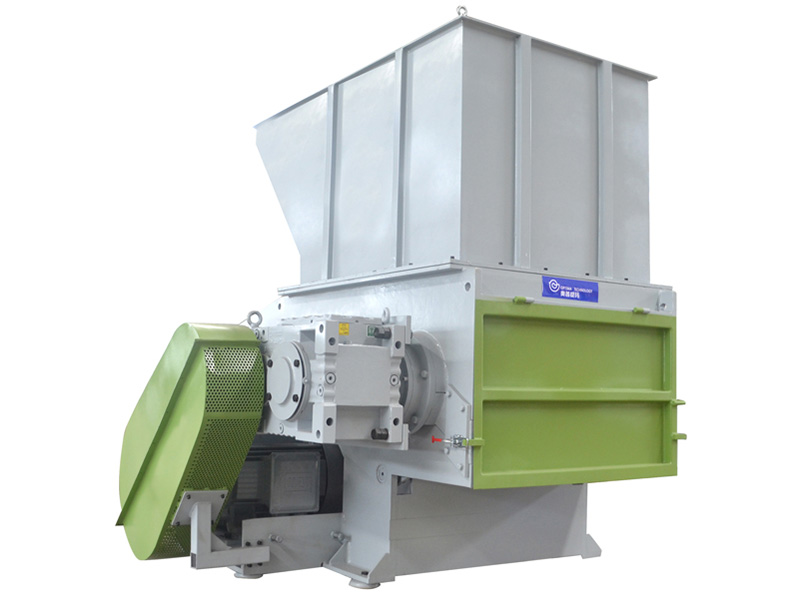
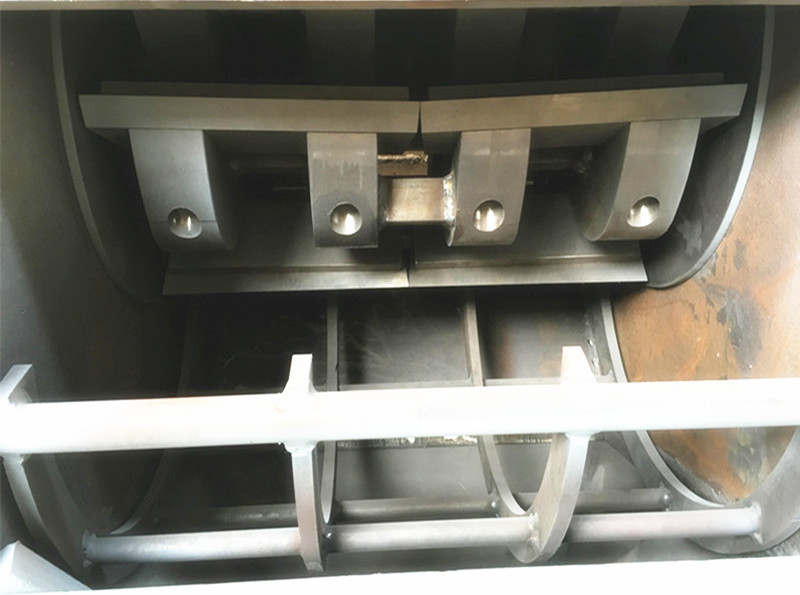
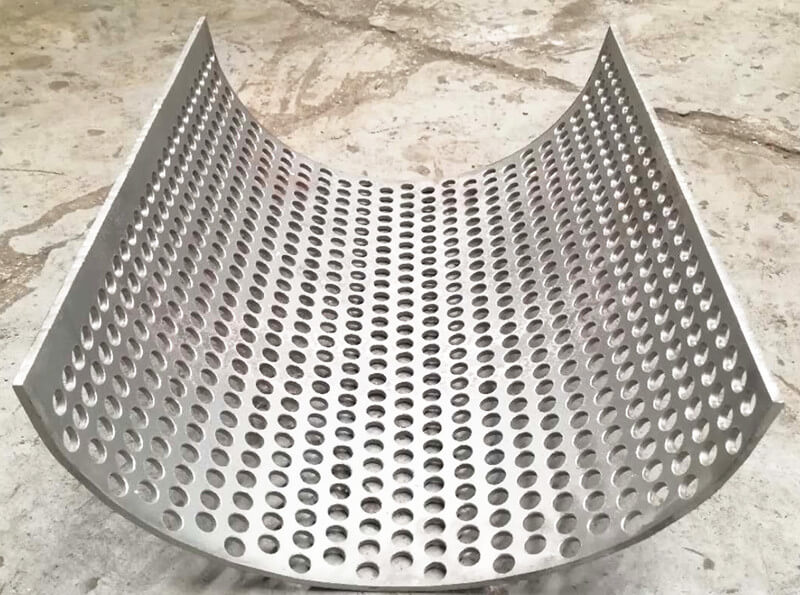
Choose a single shaft shredder when your process needs material to pass through a sizing screen before discharge. The rotor cuts against stationary knives, while a hydraulic pusher brings material into the cutting zone.
This configuration provides a useful starting point for plastic lumps, pipes, film and wood that require further granulation or a more controlled feed to the next process.
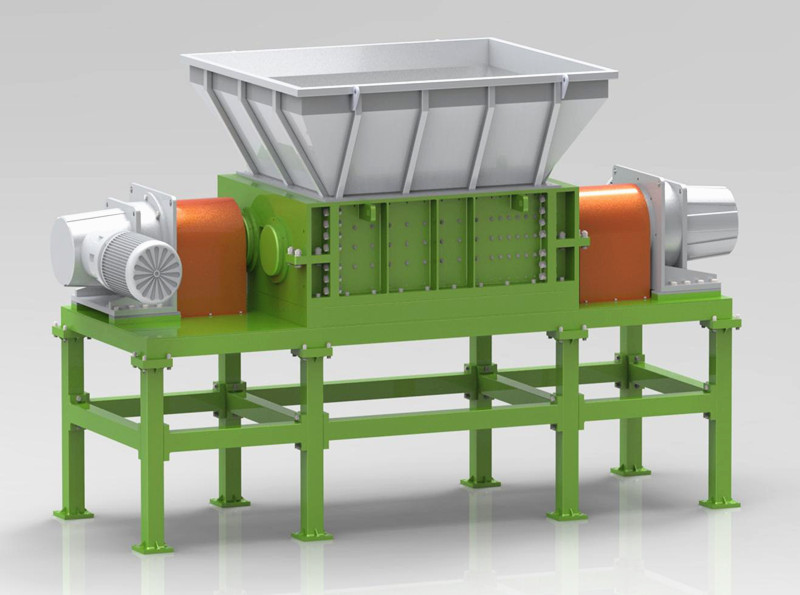
Choose a double shaft shredder when the first task is to grip and reduce bulky material into a manageable pre-shred. Counter-rotating cutters shear and tear the feed.
This configuration is worth assessing for tires, hollow containers, selected metal scrap and bulky mixed materials where coarse output is acceptable. A further sizing stage may be needed before downstream processing.
| Selection point | Single shaft | Double shaft |
|---|
| Main cutting arrangement | Rotor, stationary knives and sizing screen | Two counter-rotating cutter shafts |
| Feeding consideration | Pusher engagement with the material | Cutter grip and entry into the cutting zone |
| Discharge control | Screen opening influences discharge | Cutter configuration and material behavior influence fragment shape |
| Typical process objective | More controlled size reduction | Primary reduction and volume reduction |
| When another stage is needed | When finer material is required | When coarse pre-shred does not meet the final size requirement |
These are starting points for selection. Rotor design, cutters, feeding equipment and the specific material still determine suitability.
What Size Material Can the Shredder Accept?
Specify the largest intact item you intend to feed, including its length, width, height and weight. For pipes and profiles, add the outside dimensions and wall thickness. For rolls or bales, add their dimensions and density if known.
Hopper dimensions describe the machine opening; they are not a guaranteed maximum workpiece size. A bulky hollow item and a solid block with similar external dimensions can require different cutting capacity and preparation.
Selected Single Shaft Shredder Specifications
| Model | Main motor power | Hydraulic power | Listed hopper size | Listed screen opening range |
|---|
| OSX3880 | 45 kW | 4 kW | 700 × 850 mm | 40–100 mm |
| OSX46120 | 55 kW | 4 kW | 800 × 1,200 mm | 40–100 mm |
| OSX75150 | 2 × 75 kW | 7.5 kW | 1,100 × 1,500 mm | 40–100 mm |
Use the hopper dimensions to shortlist machines for a material assessment. Maximum intact feed dimensions, allowable thickness and feeding orientation must be established for the selected material.
Selected Double Shaft Shredder Specifications
| Model | Listed motor power | Shaft speed | Rotor diameter | Blade thickness |
|---|
| OSL2360 | 18.5 kW | 16–25 rpm | 290 mm | 25 mm |
| OSL26100 | 22 kW | 16–25 rpm | 320 mm | 40 mm |
| OSL41160 | 2 × 45 kW | 10–15 rpm | 534 mm | 50 mm |
Rotor diameter and blade thickness describe the cutting assembly. They do not establish the maximum feed opening or guarantee a matching final particle size. Include the dimensions of your largest item when requesting the relevant chamber drawing and model recommendation.

Match Shred Size to Your Next Recycling Stage
For volume reduction, coarse fragments may meet the handling requirement. For washing, separation or further granulation, define the size and shape that the next machine can accept.
On a screen-equipped shredder, the screen influences when material leaves the cutting chamber. Flexible or elongated pieces may behave differently from rigid fragments, so specify any restrictions on long strips and oversize material.
If your process needs finer granules, evaluate the shredder together with a downstream granulator. Shredding reduces size; it does not by itself establish material purity or remove every contaminant.
For a complete installation, review the feed, discharge and separation requirements through our Solid Waste Shredding System.
Compare Throughput on the Same Material
Compare capacity using the same feedstock, preparation and target output. Loose film, dense plastic blocks and hollow containers cannot be assessed from motor power alone.
For a useful production comparison, record:
Material type, composition and contamination.
Typical and maximum feed dimensions.
Loose, baled, rolled or pre-cut condition.
Screen or cutter configuration.
Feed weight, elapsed processing time and interruptions.
Output size and the amount requiring further processing.
Include both your hourly target and working hours per shift. This helps distinguish the required processing rate from the total daily workload.
Blade Options and Replacement Parts
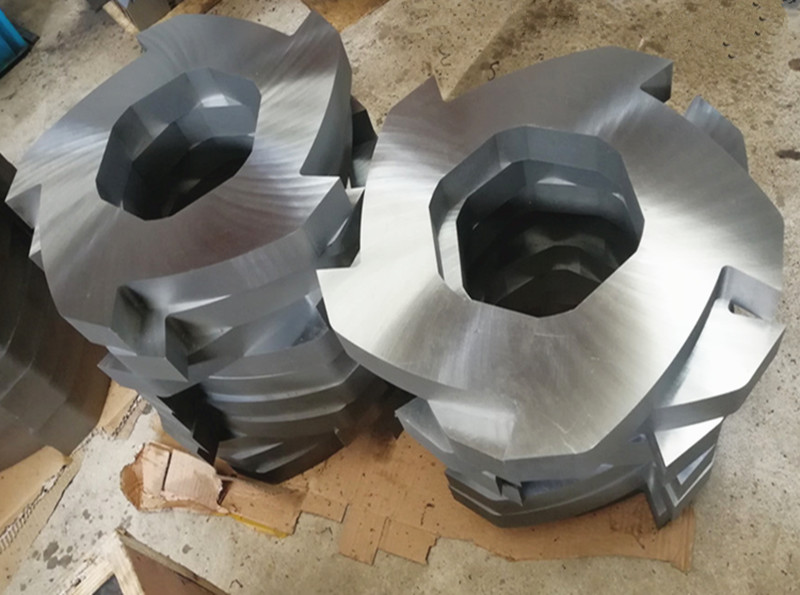
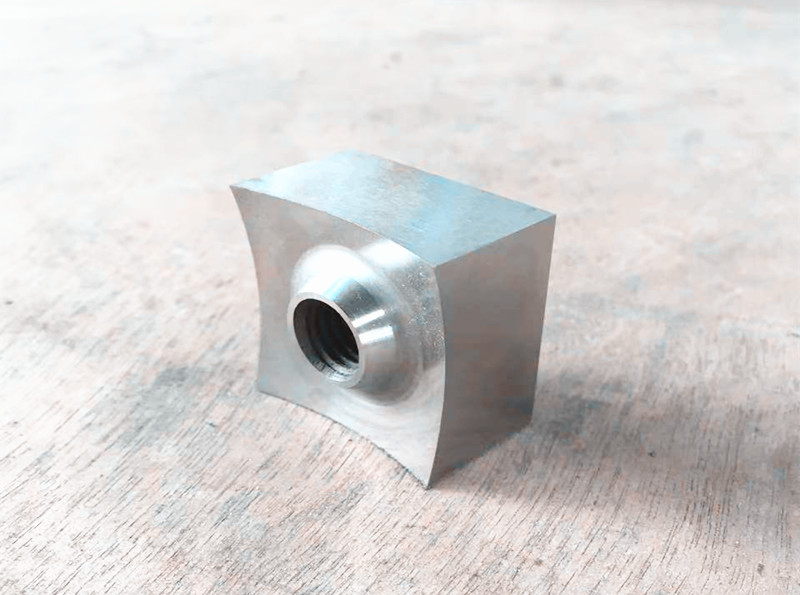
Optima lists integrated blades and replaceable hook configurations for its Double Shaft Shredder Blades. An integrated blade is replaced as a complete disc; a replaceable hook arrangement allows the cutting component to be serviced separately.
Available double shaft blade materials include H13, D2 and 42CrMo. Selection should account for the actual feed and cutter design rather than steel grade alone.
For replacement or customized blades, provide the machine model, existing blade dimensions and material being processed.
Test Your Material and Request a Shredder Quote
Optima offers free sample-material testing and can provide a machine test video. Use a sample that represents your normal feed, including the difficult items that regularly occur in production.
Send the following with your enquiry:
Material names, photographs and approximate proportions.
Maximum item dimensions, thickness and piece weight.
Required throughput and operating schedule.
Target output size and next processing stage.
Known contaminants and attached components.
Site power supply, loading method and available installation space.
Ask for the quotation to identify the selected model, cutter or screen configuration, feed preparation and included auxiliary equipment.
Request an Industrial Shredder Quote