A copper cable granulator recycles scrap wire through dry physical separation: it shreds insulated cables into small granules, then uses air-flow (density) separation and optional high-voltage electrostatic separation to split copper from plastic — reaching 98–99% copper purity with no water and no pollution. The process has five stages: feeding → crushing → air separation → electrostatic separation → dust collection. Optima builds small cable granulators (≈100–200 kg/h) and 300 kg/h models for startups and mid-size recyclers.
Why dry separation wins
Burning wire to recover copper pollutes and wastes value. Wet (water + shaking table) separation needs wastewater treatment. Dry separation uses only mechanical cutting and density difference, so it is clean and low-cost to permit — the reason most modern recyclers, including Optima buyers, choose it.
Step-by-step working principle
1. Feeding
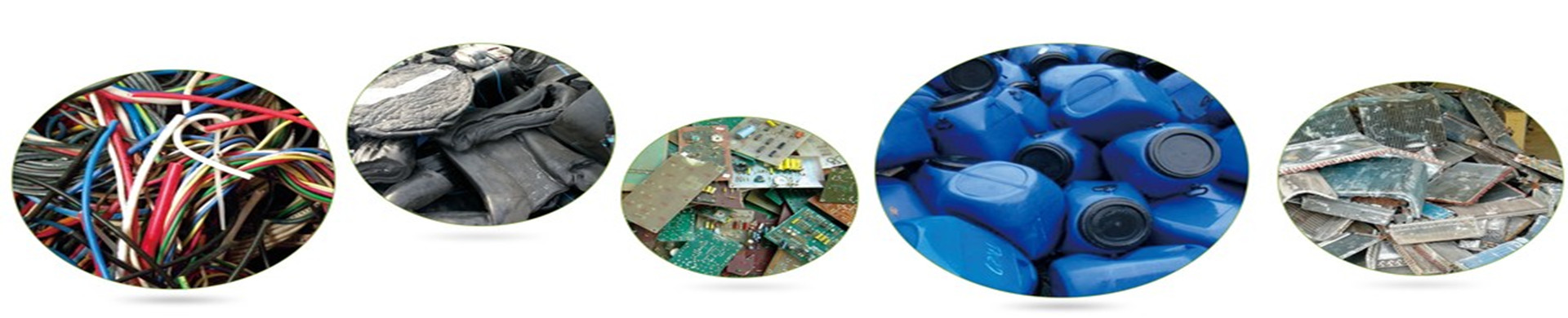
Scrap cables — household wire, telecom, automotive harness, data cable — are loaded into the hopper. Pre-cut thick industrial cables to avoid jamming.
2. Crushing (shredding)
High-speed alloy blades chop the insulation and copper core into small, uniform granules, breaking the physical bond between metal and plastic.
3. Air separation (dry, density-based)
The mixed granules enter an airflow separator. Copper is dense and sinks; light plastic is blown to a separate outlet. This first stage already achieves high copper recovery.
4. Electrostatic separation (optional, fine)
For fine or tightly twisted wire, a high-voltage electrostatic separator uses the conductivity gap (copper conducts, plastic does not) to push purity above 99%. A recirculation loop returns un-separated material for a second pass, cutting copper loss.
5. Dust collection
A pulse bag filter captures dust from crushing and sorting (≈99% capture), protecting operators and sorting accuracy.
Production capacity
| Optima model | Throughput | Power (approx.) | Best for |
|---|---|---|---|
| Small cable granulator & separator | 100–200 kg/h | ~28 kW | Startups, low-volume workshops |
| 300 kg/h cable granulator | 300 kg/h | Mid-range | Growing recyclers, continuous runs |
Industrial lines scale to 800–1,000 kg/h at ~95 kW; choose capacity against your daily wire intake, not the headline number.
Project configuration
A complete copper-recycling line = crusher + conveyor + air classifier + electrostatic separator + dust collection + control panel. Optima supplies the line as a single sourced system with integrated electricals.
Common installation problems
Undersized dust extraction — poor capture drops sorting accuracy and fails inspection; size the bag filter to throughput.
Wrong feed mix — mixing very fine wire with thick cable skews the air balance; segregate by diameter.
Poor grounding for electrostatic unit — the separator needs stable, grounded power to hold high voltage.
Actual procurement problems
Wet vs dry — buyers attracted to "better" wet separation forget the wastewater plant; dry is cheaper to run and permit.
Capacity vs material — fine telecom wire and thick power cable need different screen/blade setups; confirm both are covered.
Blade & screen wear — steel-armored cable wears cutters; confirm alloy blade spec and spare-screen stock.
After-sales problems
Copper loss in plastic — usually a worn screen or low airflow; re-tune before assuming the machine is faulty.
Electrostatic drift — humidity and dust on rollers reduce efficiency; schedule cleaning.
Spare parts — keep spare blades, sieves, and belts; Optima ships wear parts from stock.
Equipment maintenance experience
Daily: empty copper/plastic bins, check dust filter pressure, listen for blade chatter.
Weekly: inspect blade sharpness, screen holes, belt tension.
Monthly: clean electrostatic rollers, lubricate bearings, verify motor temperature.
Blades: use high-wear-resistant alloy; rotate/index to extend life; replace on purity drop.
Project case
Optima delivered a copper-recycling equipment package to an operator in New Zealand that came back with good feedback after commissioning — a documented overseas reference for the cable-granulator line.
Customer countries
With 15+ years as a manufacturer and exporter, Optima serves scrap-cable recyclers across Asia, Europe, the Americas, Africa, and Oceania, including the New Zealand installation above.
Frequently asked questions
What copper purity can I get?
A well-tuned dry line reaches 98–99% copper purity; adding electrostatic separation and recirculation pushes it higher and lowers copper loss in the plastic.
Does it work on all cable types?
Yes — household wire, network/telecom, automotive harness, and industrial power cable. Segregate by diameter for best recovery.
Is it environmentally clean?
Dry separation uses no water and captures dust at the source, so it meets strict environmental requirements without a wastewater plant.