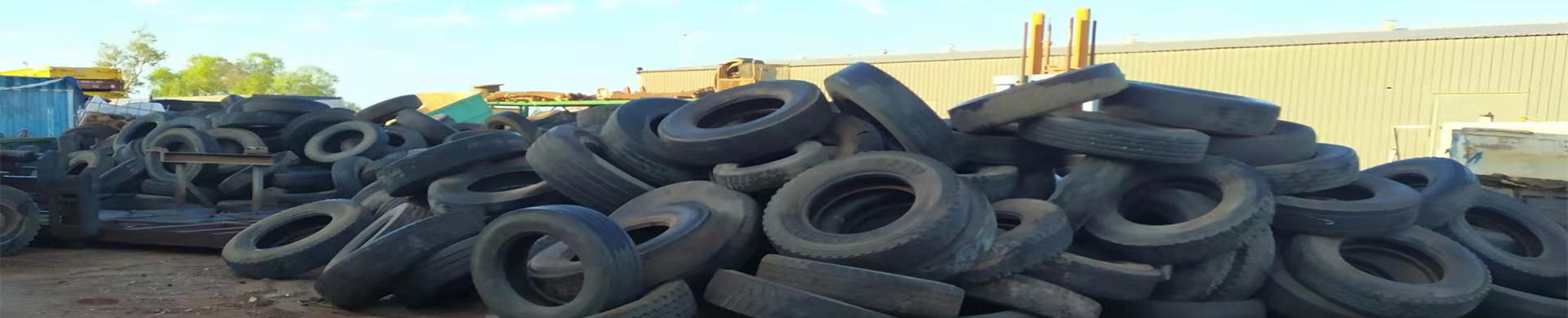
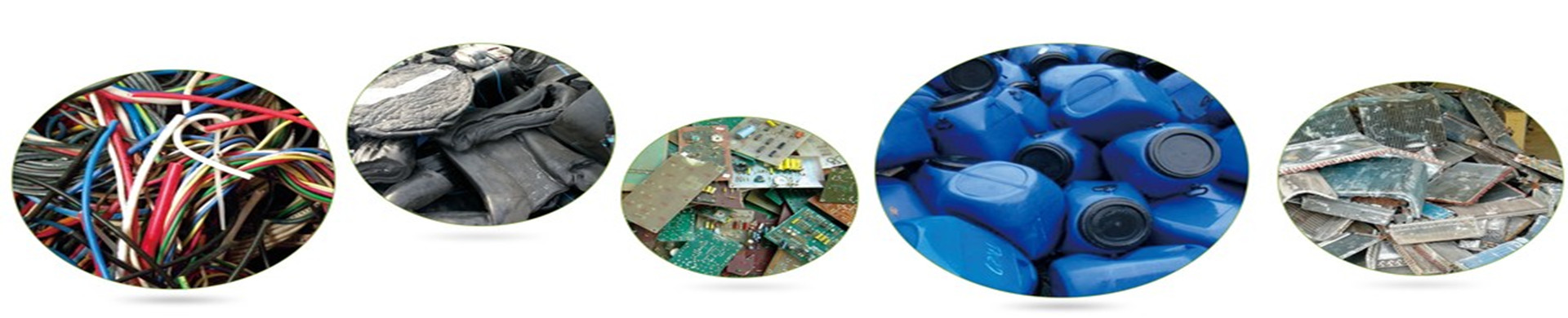

Choose a double-shaft shredder when you process bulky, hard, or mixed waste — tires, e-waste, metal scrap, solid waste — and do not need a defined particle size; choose a single-shaft shredder when you need uniform, screen-controlled flake for plastic film, pipe, wood, or textiles. The four deciding factors are material type, required output size, throughput, and whether the feed is dirty or clean. Optima builds double-shaft shredders and supplies blades for single-shaft machines, so the recommendation below is product-neutral.
How the two shredders work
| Feature | Single-shaft shredder | Double-shaft shredder |
|---|---|---|
| Cutting action | One rotor + stationary counter-blade, screen-controlled | Two interlocking rotors tear/shear/crush |
| Output size | Uniform 20–120 mm (screen) | Coarse 30–300 mm (no screen) |
| Best material | Plastic film, pipe, wood, paper, rubber scrap | Tires, e-waste, metal, bulky solid waste |
| Throughput | 0.5–25 t/h | 1–60 t/h |
| Power | 15–132 kW | 30–400 kW |
| Feed | Forced (hydraulic pusher) | Self-feeding, high torque |
When to choose a double-shaft shredder
You handle tires, radiators, e-waste, or metal-plastic mixed scrap.
The output is a pre-shred for a second stage, not a final size.
The feed is dirty, bulky, or contains incidental metal.
You want low blockage risk and high torque.
Optima's double-shaft shredder is used in documented cases such as shredding big solid waste and pre-processing tires before granulation.
When to choose a single-shaft shredder
You need uniform flake that feeds a washing line, granulator, or extruder.
Material is soft-to-medium plastic, film, or wood.
Output size consistency drives downstream quality.
Production capacity
Double-shaft machines scale to 60 t/h for MSW and tire pre-shredding; single-shaft units suit 0.5–25 t/h where size control matters. Size for peak capacity plus 20% margin.
Project configuration
For dirty or demanding feed where a defined size is required, the standard two-stage setup is:
Double-shaft shredder → conveyor → single-shaft shredder / granulator. The double-shaft unit absorbs contamination risk; the single-shaft (or Optima granulator) delivers the final defined flake. This protects precision cutters and delivers washing-line-ready output.
Common installation problems
Wrong ram type on single-shaft — light/springy film floats above the rotor; a swing-arm ram presses it down and restores nameplate output.
No upstream magnet — tramp metal destroys single-shaft knives; add a magnet before the precision stage.
Overfeeding double-shaft units — oversize material jams the chamber; choose auto-reverse overload protection and pre-cut lumps.
Actual procurement problems
One machine for everything — a single shredder compromises knife protection or output quality; two-stage is usually cheaper long-term.
Buying on price alone — knife life and spare-part availability beat the sticker price over 3 years.
Ignoring contamination level — clean post-industrial feed → single-shaft; dirty mixed feed → double-shaft or two-stage.
After-sales problems
Knife gap drift — single-shaft needs regular gap adjustment; budget for it in O&M.
Hook-cutter repair cost — double-shaft repairs cost more but happen less often; keep weld-repair specs on file.
Spare blade sourcing — Optima stocks crusher blades and single-shaft blades so downtime stays short.
Equipment maintenance experience
Single-shaft: indexable knife inserts rotate 4×; check gap weekly; replace screens on wear holes.
Double-shaft: inspect hook cutters every 500–1,000 h; use wear-resistant alloy (D2/DC53) for tire/metal duty.
Both: lubricate bearings monthly; verify motor temperature; keep a spare rotor or blade set on site.
Frequently asked questions
Can a double-shaft shredder produce fine flake?
No. Without a screen, output is coarse and irregular; add a single-shaft shredder or granulator as the second stage for defined flake.
Which is better for plastic recycling?
For most plastic recycling where flake feeds a washing line, a single-shaft shredder fits best because the screen delivers the defined size in one stage.
Is a single-shaft shredder sensitive to metal?
Yes — post-consumer feed should pass a magnet first, or use a double-shaft pre-shredder to protect the precision stage.